
This content is strictly reserved for people aged 18 and over. By entering, you confirm that you are of legal age in your country of residence.
Cannabinol, better known as CBN, holds a title few people know about: it is the very first cannabinoid ever isolated, back in 1896, almost seventy years before THC. Its particularity is that it is not produced as such by the plant but appears over time. This guide covers its history, its chemistry, how it forms and the criteria that define a serious range.
CBN is a cannabinoid present in trace amounts in hemp. Its particularity lies in how it appears: it does not result from enzymatic synthesis in the growing plant, but from a slow transformation of the plant material once harvested, under the action of oxygen, light and heat. It is therefore a direct marker of the age and storage conditions of a batch.
Systematic name : 6,6,9-trimethyl-3-pentyl-6H-dibenzo[b,d]pyran-1-ol
Molar mass : 310.43 g/mol
CBN is a benzochromene derivative. Its structure features a fully aromatic ring, the result of progressive oxidation of the corresponding ring in THC. This aromatisation is irreversible, which explains why CBN cannot convert back. Chemically it has four fewer hydrogen atoms than CBD, which reads directly in its molecular formula and in its lower molar mass.
Before THC, before CBD, before CBG: CBN is the first hemp molecule ever extracted and named, as early as 1896, at the University of Cambridge.
CBN is not synthesised by the living plant. It appears as the plant material ages and oxidises, which makes it an indicator of the age and storage of a batch.
Because its proportion increases with exposure to air, light and heat, CBN shows concretely why the container, darkness and temperature govern the stability of a range.

The history of CBN is the oldest in all of hemp chemistry. It begins at the end of the nineteenth century and spans nearly fifty years of research before reaching its conclusion.
At the University of Cambridge, Thomas Barlow Wood, William Thomas Newton Spivey and Thomas Hill Easterfield fractionate a resinous extract of Indian hemp, charas, by vacuum distillation. They obtain a fraction they call red oil, from which they isolate a phenolic compound named cannabinol. Their work is published in the Journal of the Chemical Society.
Nineteenth century transport and storage largely favoured degradation of the material. It is very likely this uncontrolled oxidation that made CBN abundant enough to be isolated first.
Robert Sidney Cahn resumes the work from the same source and proposes the dibenzopyran skeleton of the molecule. CBN becomes the first fully characterised hemp compound.
Two teams separately succeed in synthesising the molecule and thereby confirm its structure: that of Roger Adams in the United States and that of Alexander Todd, later Lord Todd, in the United Kingdom.
With the isolation of THC by Gaoni and Mechoulam, the exact place of CBN becomes clear: it is not the main constituent being sought, but the degradation product of another.
This was not a laboratory accident but a direct consequence of the logistics of the time. Resins travelled for long periods, poorly protected from air and heat, which mechanically increased the share of CBN in the material analysed.
Its tricyclic structure has long made it a study support for organic synthesis. It has been used to test total synthesis routes far beyond the field of hemp alone.
Unlike CBG or CBD, CBN has no dedicated enzymatic pathway. Its formation is a physical and chemical phenomenon that takes place after harvest, and that can be slowed down or accelerated depending on how the material is handled and stored.
The plant produces THCA enzymatically from CBGA, just as it produces CBDA. At this stage, there is no CBN yet.
Once the material is harvested, prolonged contact with air triggers a slow oxidation. This process is not catalysed by an enzyme, it is purely chemical.
Ultraviolet light and temperature accelerate the reaction significantly. Storage in full light or in a warm room transforms the material far faster than cool, dark storage.
The reaction results in a fully aromatic ring. The transformation is irreversible: the CBN formed never returns to its previous state.
Like other cannabinoids, CBN also exists in an acidic form, CBNA, which loses its carboxyl group through heat or time to give the neutral form.
The ratio between CBN and THC has long been used as a marker of the age and storage quality of a material. A high level signals prolonged exposure.
Airtight container, darkness, stable temperature and limited handling. These rules apply to the whole range, but they matter particularly for products sensitive to time.
The reference data for the molecule, useful for comparing one source with another and for checking the consistency of commercial information.
| Data | CBN |
|---|---|
| Full name | Cannabinol |
| Abbreviation | CBN |
| Molecular formula | C21H26O2 |
| Molar mass | 310.43 g/mol |
| Chemical family | Benzochromene derivative, dibenzopyran skeleton |
| Acidic form | CBNA, cannabinolic acid |
| How it appears | Non enzymatic oxidation after harvest |
| Accelerating factors | Oxygen, ultraviolet light, heat, time |
| First isolation | 1896, Wood, Spivey and Easterfield, Cambridge |
| Structure established | Early 1930s by Robert Sidney Cahn |
| First synthesis | 1940, Roger Adams and Alexander Todd, separately |
| Distinctive feature | The first phytocannabinoid ever isolated |
CBN, CBD and CBG are three hemp cannabinoids that share the same regulatory framework but appear in completely different ways. This table sets the three side by side.
| Criterion | CBN | CBD | CBG |
|---|---|---|---|
| Full name | Cannabinol | Cannabidiol | Cannabigerol |
| Molecular formula | C21H26O2 | C21H30O2 | C21H32O2 |
| Molar mass | 310.43 g/mol | 314.46 g/mol | 316.48 g/mol |
| Acidic form | CBNA | CBDA | CBGA |
| How it appears | Oxidation after harvest | Enzymatic synthesis in the plant | Enzymatic synthesis, first in line |
| First isolation | 1896 | 1940 | 1964 |
| Presence in hemp | Traces, increases over time | Abundant depending on variety | Low at maturity |
| Determining factor | Age of the batch and storage | Genetics of the variety | Genetics and harvest date |
It is the only common cannabinoid whose presence depends first on time and storage conditions rather than on the genetics of the plant. Two batches from the same harvest can contain very different proportions depending on how they were stored.
The origin of the material, its appearance, its texture, its residual moisture, its aromatic profile, the consistency of the supplier from one delivery to the next and the clarity of the commercial information.
Because CBN results from a transformation over time, the approaches used to obtain material containing it differ markedly from those used for other cannabinoids.
Letting the material evolve under controlled conditions of temperature, humidity and exposure. This is the longest route, and the one most dependent on storage discipline.
In a laboratory it is possible to steer oxidation deliberately by acting on oxygen, heat and catalysts, rather than letting degradation happen at random.
Resins and hash concentrate the material from the trichomes. Mechanical or sieve separation produces very different textures and grains depending on the method and the care taken.
Every batch is identified and tracked. References are kept for each order, which makes it possible to trace the chain back if a question arises about a shipment.
Green Connection offers a CBN selection designed for demanding private customers, professionals, shops, resellers and wholesale clients looking for a premium range that stays consistent from batch to batch.

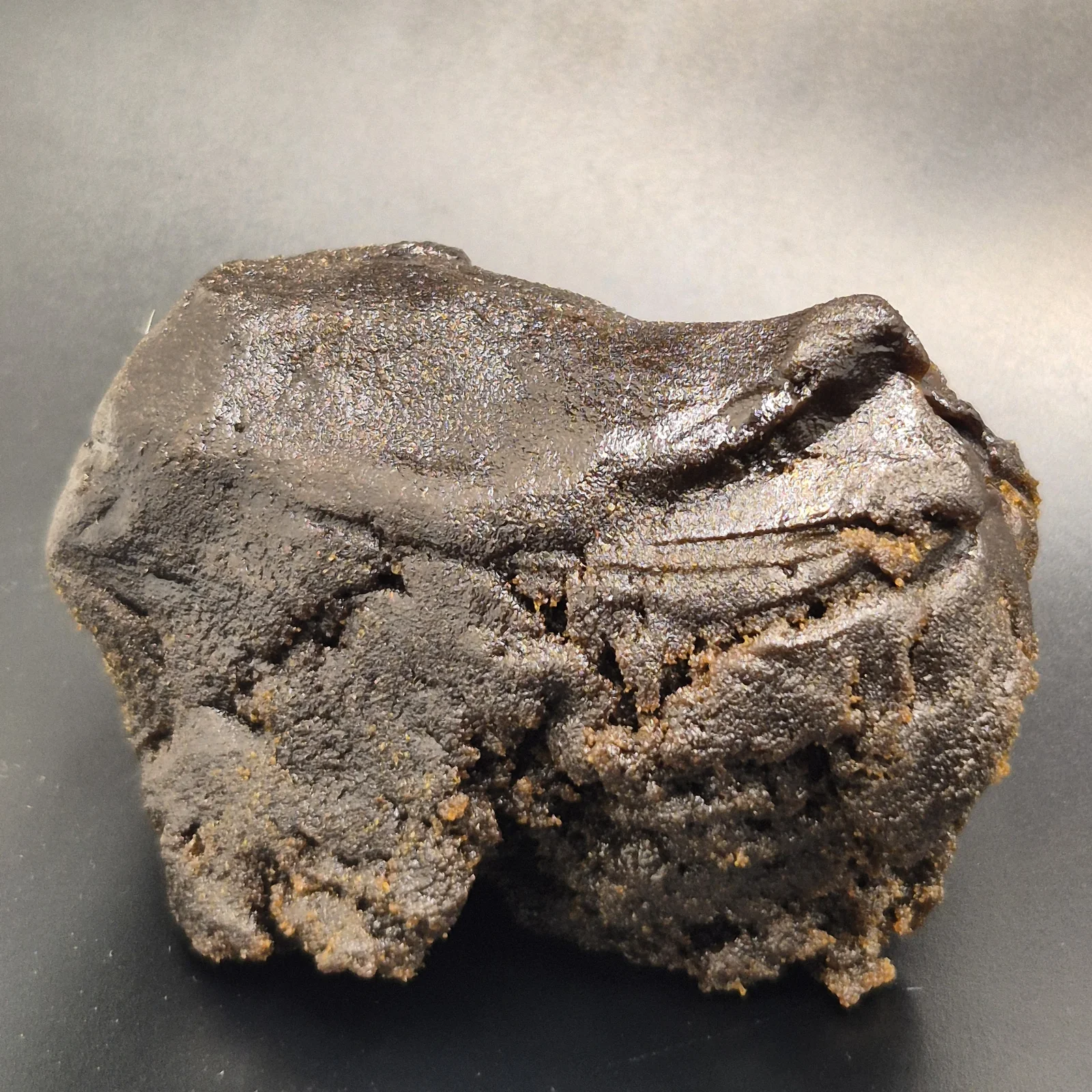
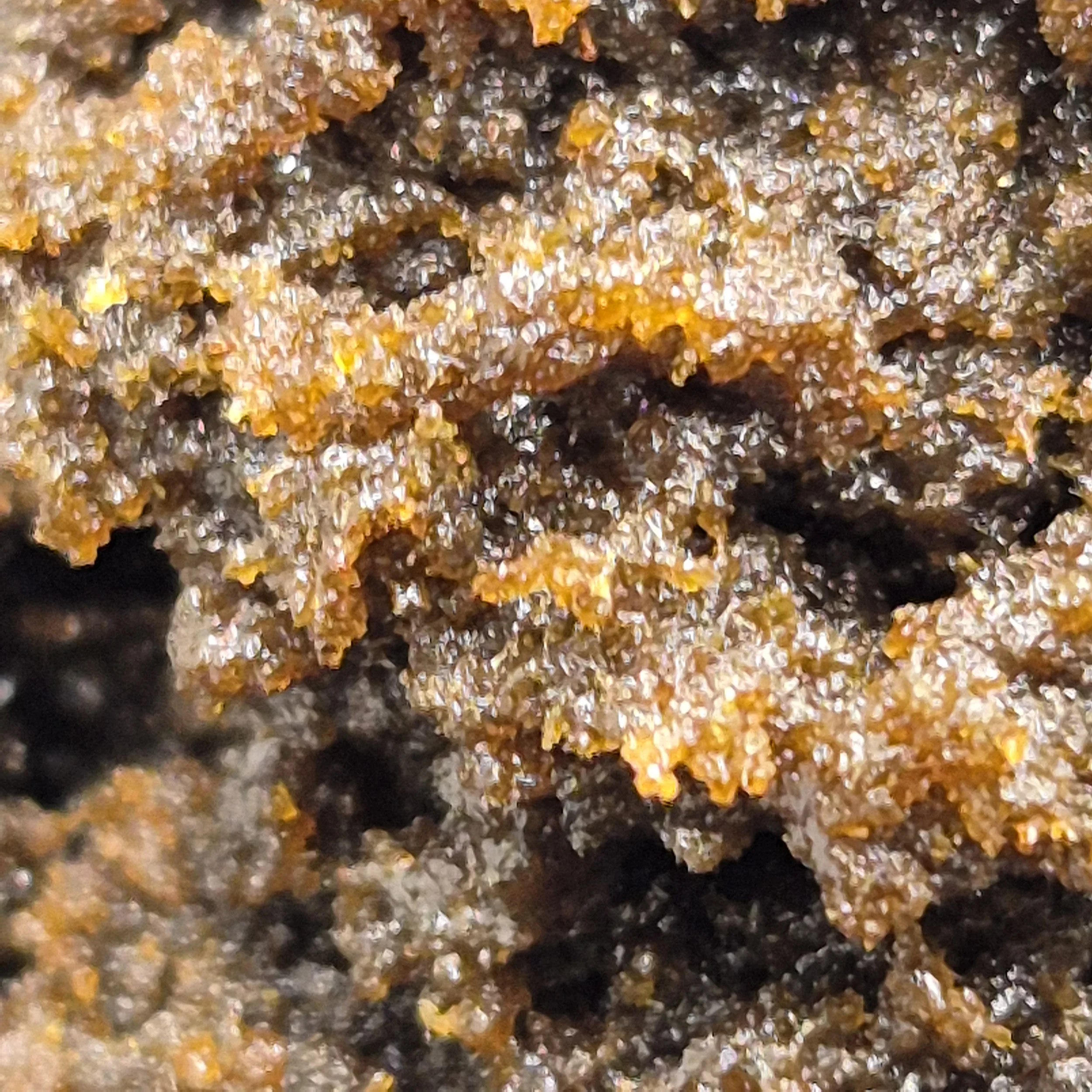
Resin with a worked texture and a deep colour, selected for its density and the consistency of its appearance from batch to batch.

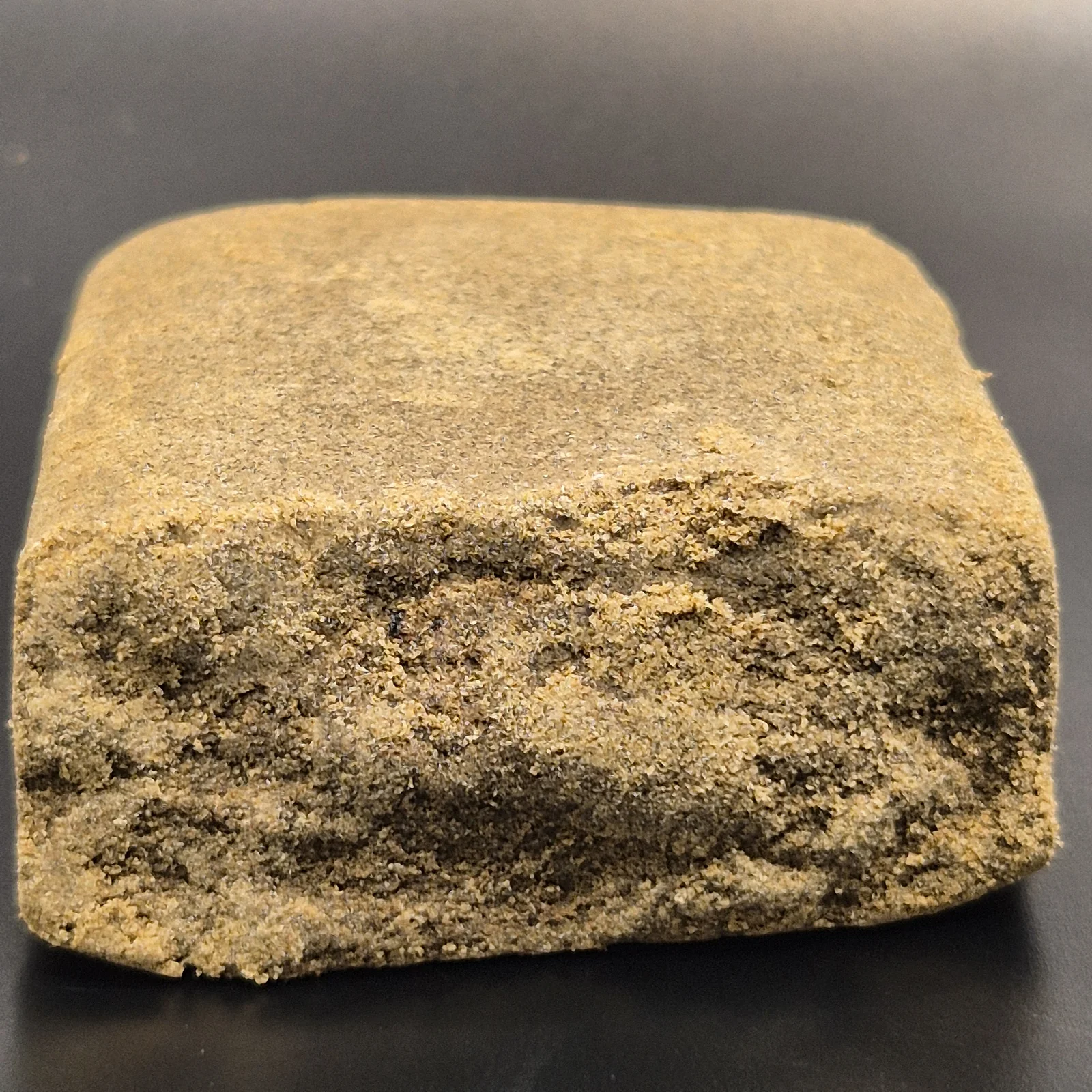
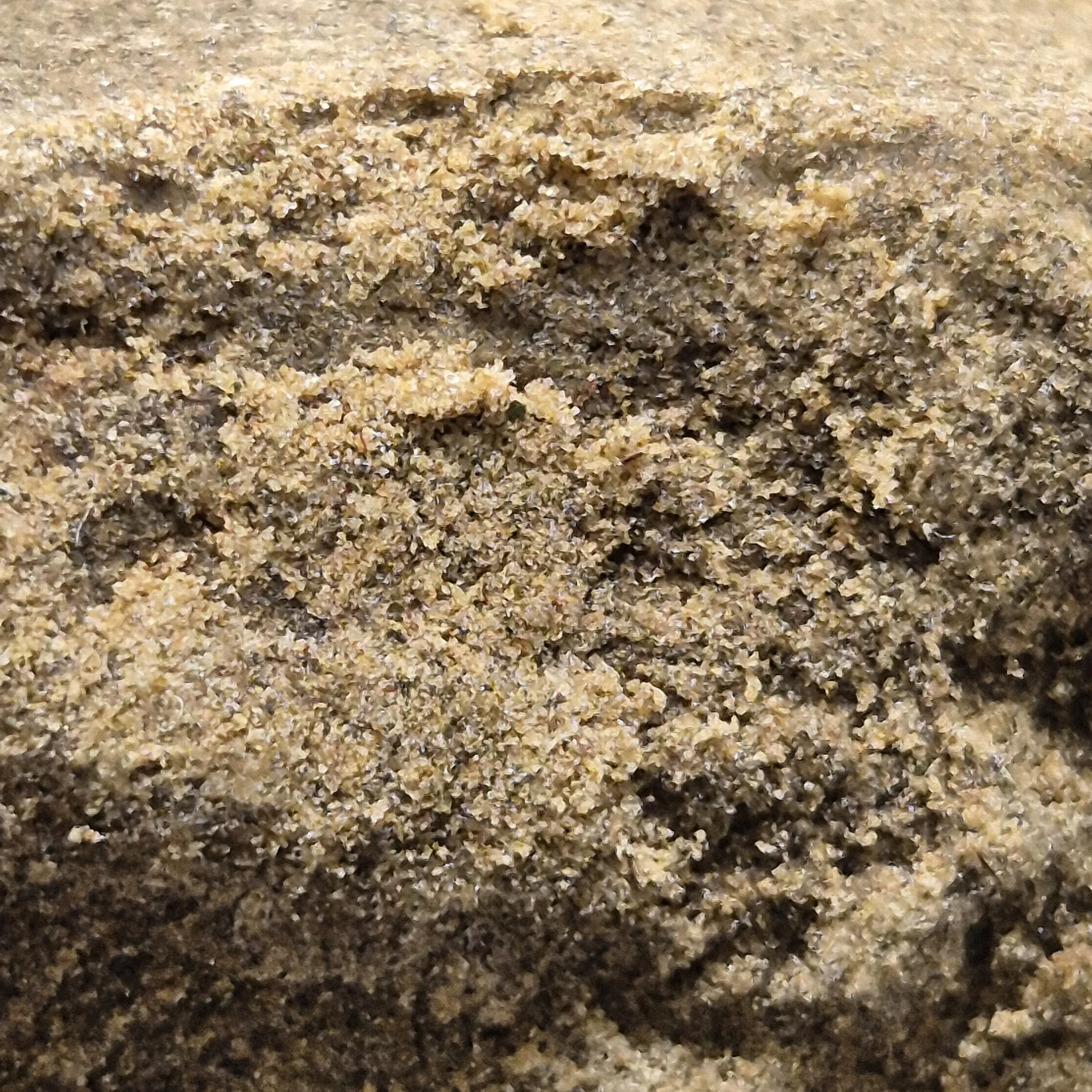
Dry and crumbly resin, appreciated for its distinctive structure, its careful trim and its assertive aromatic profile.
The quality of a resin never comes down to a single molecule. Aroma, texture, residual moisture, trim, storage and consistency from batch to batch are the concrete criteria that separate a premium range from ordinary material. On products sensitive to time, these markers matter even more.
Often associated with deep, round and vegetal aromatic profiles.
Dry, vegetal note, common in more mature resins.
Adds character with a peppery and woody signature.
Brings a soft, slightly flowery nuance to the overall profile.
Fresh, green and resinous profile, present in many varieties.
Brings fresher, lemony and brighter notes.
The European hemp framework relies in particular on THC thresholds and on rules specific to each country. A professional approach must remain cautious, transparent and documented.
Our products contain less than 0.3% Delta 9 THC.
Regulations on hemp and cannabinoids vary from one country to another and may change at any time. We do not comment on the status applicable in the customer's country.
Customer responsibility: it is up to each buyer to check the rules in force in their own country before any order or resale.
Our products are reserved for adults over 18 and presented as collector's items not intended for consumption. They are not medicines and are not intended to diagnose, treat, cure or prevent any disease.
Every batch is identified and tracked. Selection is based on observable criteria: appearance, texture, trim, consistency and aromatic profile. Batch references are kept for each order.
Rules may vary depending on the destination country. Green Connection favours clear communication, documented batches and a responsible approach for private and professional customers alike.
Proper storage preserves the appearance, the aroma and the stability of flowers, hash and resins. Premium products must be stored with care, especially when intended for resale.
Direct light can degrade the appearance, the aromas and the perceived quality of the product.
A stable temperature and a dry environment help preserve the texture and stability of the batch.
A suitable, clean and well sealed container offers better protection for flowers and resins.
For wholesale, we recommend keeping the batch references linked to each order.

Join our Telegram group or contact us directly on WhatsApp to access availability, wholesale batches and product information.
Read more
Go further with our guides, our pages and our catalogue.
Answers to the most searched questions about CBN, its history, its chemistry and the framework applicable in Europe.
CBN, or cannabinol, is a cannabinoid present in trace amounts in hemp. Its molecular formula is C21H26O2. It forms through oxidation of the plant material over time, under the action of air, light and heat.
In 1896, at the University of Cambridge, by Thomas Barlow Wood, William Thomas Newton Spivey and Thomas Hill Easterfield. It is the very first phytocannabinoid ever isolated, almost seventy years before THC.
Because nineteenth century transport and storage conditions strongly favoured oxidation of the material. CBN was therefore mechanically more abundant than in a fresh resin, which made its isolation possible with the means of the time.
It is not produced by the growing plant. It appears after harvest, when the plant material oxidises in contact with air. Ultraviolet light and heat significantly accelerate the reaction, which is irreversible.
Robert Sidney Cahn proposed the dibenzopyran skeleton in the early 1930s. The structure was confirmed in 1940 by two syntheses carried out separately, one by Roger Adams in the United States, the other by Alexander Todd in the United Kingdom.
CBD is synthesised by the plant from CBGA, while CBN results from a transformation that happens after harvest. CBN has the formula C21H26O2 and a molar mass of 310.43 g/mol, CBD C21H30O2 and 314.46 g/mol.
Regulations on hemp and cannabinoids vary from one country to another and may change at any time. We do not comment on the status applicable in the customer's country. It is up to each buyer to check the rules in force where they are before placing an order. Our products are reserved for adults over 18 and presented as collector's items not intended for consumption.
The selection includes CBN resins and hash, among them Holy Hash CBN and Super Dry CBN, depending on deliveries. Availability changes, the catalogue and the Telegram group show the current stock.
Yes. Green Connection supports professionals, shops, networks and resellers with catalogue access, available batches and information suited to B2B.