
This content is strictly reserved for people aged 18 and over. By entering, you confirm that you are of legal age in your country of residence.
Cannabigerol, better known as CBG, holds a unique place in hemp: it is the molecule from which all other cannabinoids are formed. Isolated in 1964 and long overshadowed by CBD, it is today one of the most sought after cannabinoids in the specialist trade. This guide covers its origin, its chemistry, how it forms in the plant and the criteria that define a serious range.
CBG is a cannabinoid naturally present in Cannabis sativa L. It occupies a particular position: its acidic form, CBGA, is the chemical starting point of every other major cannabinoid in the plant. That position earned it the nickname mother molecule. Its presence in a flower harvested at maturity remains low, precisely because it has already converted into something else.
Systematic name : 2-[(2E)-3,7-dimethylocta-2,6-dien-1-yl]-5-pentylbenzene-1,3-diol
Molar mass : 316.48 g/mol
CBG belongs to the phytocannabinoid family, compounds produced by the plant in the glandular heads of the trichomes, the microscopic hairs that cover flowers and leaves. Its structure combines a geranyl chain with a resorcinol core carrying a pentyl chain. This open, uncyclised architecture is what distinguishes it from CBD and THC, and what explains its role as the starting point of the synthesis chain.
CBGA is the common precursor from which THCA, CBDA and CBCA are formed. Without it, neither CBD nor THC would exist in the plant. That chemical role is the origin of the nickname.
In a conventional variety, almost all the CBGA has been converted by harvest time. Obtaining CBG rich material therefore requires selected genetics or an early harvest.
Cannabinoids are specific to the Cannabis genus, with a few exceptions. Compounds analogous to CBG have been described in Helichrysum umbraculigerum and in certain liverworts of the Radula genus.

CBG has a precise and well documented scientific history. Its discovery resolved a question that had been blocking research for decades: where do the plant's cannabinoids actually come from?
Yehiel Gaoni and Raphael Mechoulam isolate cannabigerol from hashish, in Israel. The same team identifies the structure of THC that same year. Their work is published in the Journal of the American Chemical Society and in the Proceedings of the Chemical Society of London.
Until then, researchers believed that CBD or its acid, CBDA, was the key intermediate in cannabinoid synthesis. Gaoni and Mechoulam demonstrate that CBG actually plays that role, formed by condensation of geranyl diphosphate and olivetolic acid.
Mechoulam and Gaoni publish a complementary study on hashish constituents in Tetrahedron, consolidating the description of the molecule and of its partial synthesis.
CBG remains little studied for almost fifty years. Its low proportion in common varieties made isolation expensive, and attention went first to THC, then to CBD.
The opening of hemp research and selective breeding make CBG rich material possible. The first commercial products appear at the end of the decade.
By establishing CBG as the common precursor, Gaoni and Mechoulam gave research a map of cannabinoid biosynthesis. Everything known today about the profile of a variety follows from that understanding.
Selective breeding now makes it possible to grow plants that retain a significant share of CBGA until harvest. What was a laboratory curiosity has become an identifiable raw material worked in the specialist trade.
Cannabinoid biosynthesis follows a precise enzymatic chain that takes place almost entirely in the glandular heads of the trichomes. Understanding that chain explains why CBG is rare and why its level depends so heavily on harvest timing.
The plant produces olivetolic acid on one side and geranyl pyrophosphate on the other. These two compounds are the raw materials of the whole chain.
Under enzyme action, the two blocks combine to form cannabigerolic acid, CBGA. This is the zero point of the cannabinoid chain.
Three distinct enzymes then share the available CBGA. THCA synthase produces THCA, CBDA synthase produces CBDA, CBCA synthase produces CBCA. The split depends on the genetic makeup of the variety.
The remaining CBGA loses its carboxyl group through heat or time and becomes CBG. This neutral form is the one found in finished product analysis.
The more the plant matures, the more the CBGA stock is used up by the three enzymes. A conventional variety retains almost none at harvest, hence the need for dedicated genetics.
All of this chemistry happens in the glandular heads of the trichomes, on the surface of flowers and leaves. Terpenes are stored there too, which explains the close link between the cannabinoid profile and the aromatic profile of a variety.
A CBG rich batch requires suitable genetics, harvesting at the right moment and controlled drying. Three parameters that show in the appearance, the texture and the consistency of the finished product.
The reference data for the molecule, useful for comparing one source with another and for checking the consistency of commercial information.
| Data | CBG |
|---|---|
| Full name | Cannabigerol |
| Abbreviation | CBG |
| Molecular formula | C21H32O2 |
| Molar mass | 316.48 g/mol |
| Original acidic form | CBGA, cannabigerolic acid |
| Biological precursors | Olivetolic acid and geranyl pyrophosphate |
| Site of synthesis | Glandular heads of the trichomes |
| First isolation | 1964, Gaoni and Mechoulam, Israel |
| Role in the plant | Common precursor of THCA, CBDA and CBCA |
| Presence at maturity | Low in conventional varieties |
| From acidic to neutral form | Decarboxylation through heat or time |
CBG, CBD and CBN are three hemp cannabinoids that share the same regulatory framework but appear in completely different ways in the plant. This table sets the three side by side.
| Criterion | CBG | CBD | CBN |
|---|---|---|---|
| Full name | Cannabigerol | Cannabidiol | Cannabinol |
| Molecular formula | C21H32O2 | C21H30O2 | C21H26O2 |
| Molar mass | 316.48 g/mol | 314.46 g/mol | 310.43 g/mol |
| Acidic form | CBGA | CBDA | CBNA |
| How it appears | Synthesised first by the plant | Synthesised from CBGA | Formed by oxidation after harvest |
| First isolation | 1964 | 1940 | 1896 |
| Presence in hemp | Low at maturity | Abundant depending on variety | Traces, increases over time |
| Determining factor | Genetics and harvest date | Genetics of the variety | Age of the batch and storage conditions |
These are two chemically distinct molecules, with different formulas and masses. CBG sits upstream in the synthesis chain, CBD downstream. One does not replace the other.
The origin of the material, the appearance of the product, its texture, its aromatic profile, the consistency of the supplier from batch to batch and the clarity of the commercial information provided.
Obtaining CBG rich material requires a different approach from CBD, precisely because of the narrow window described above.
Dedicated genetics have been developed so that the plant retains a significant share of CBGA until harvest instead of converting it entirely. This is the most common route today.
Harvesting earlier in the cycle intercepts CBGA before conversion. This method reduces overall yield and imposes a trade off between quantity and profile.
Resins and hash concentrate the material from the trichomes. Mechanical or sieve separation produces very different textures and grains depending on the method and the care taken.
Every batch is identified and tracked. References are kept for each order, which makes it possible to trace the chain back if a question arises about a shipment.
Green Connection offers a CBG selection designed for demanding private customers, professionals, shops, resellers and wholesale clients looking for a premium range that stays consistent from batch to batch.

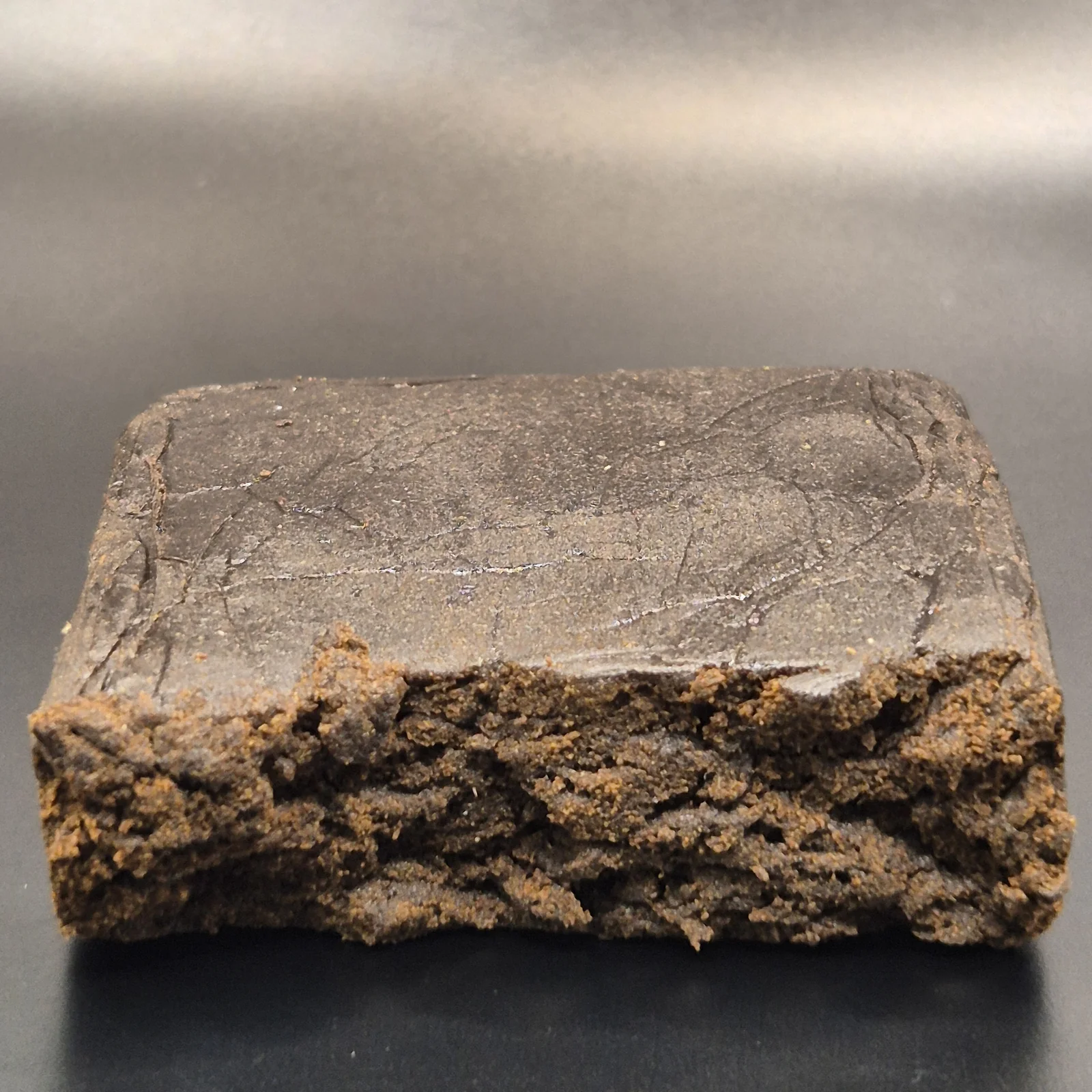
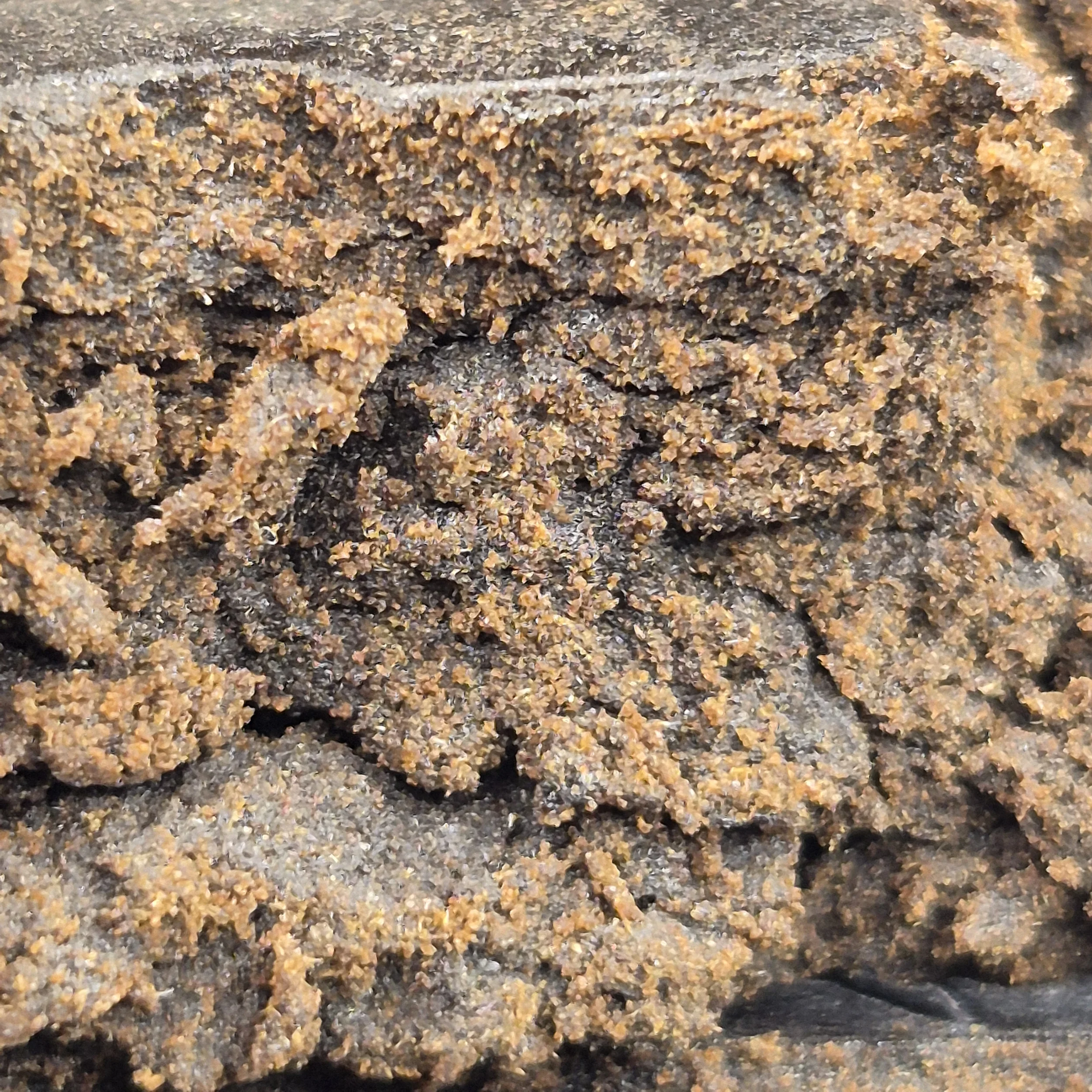
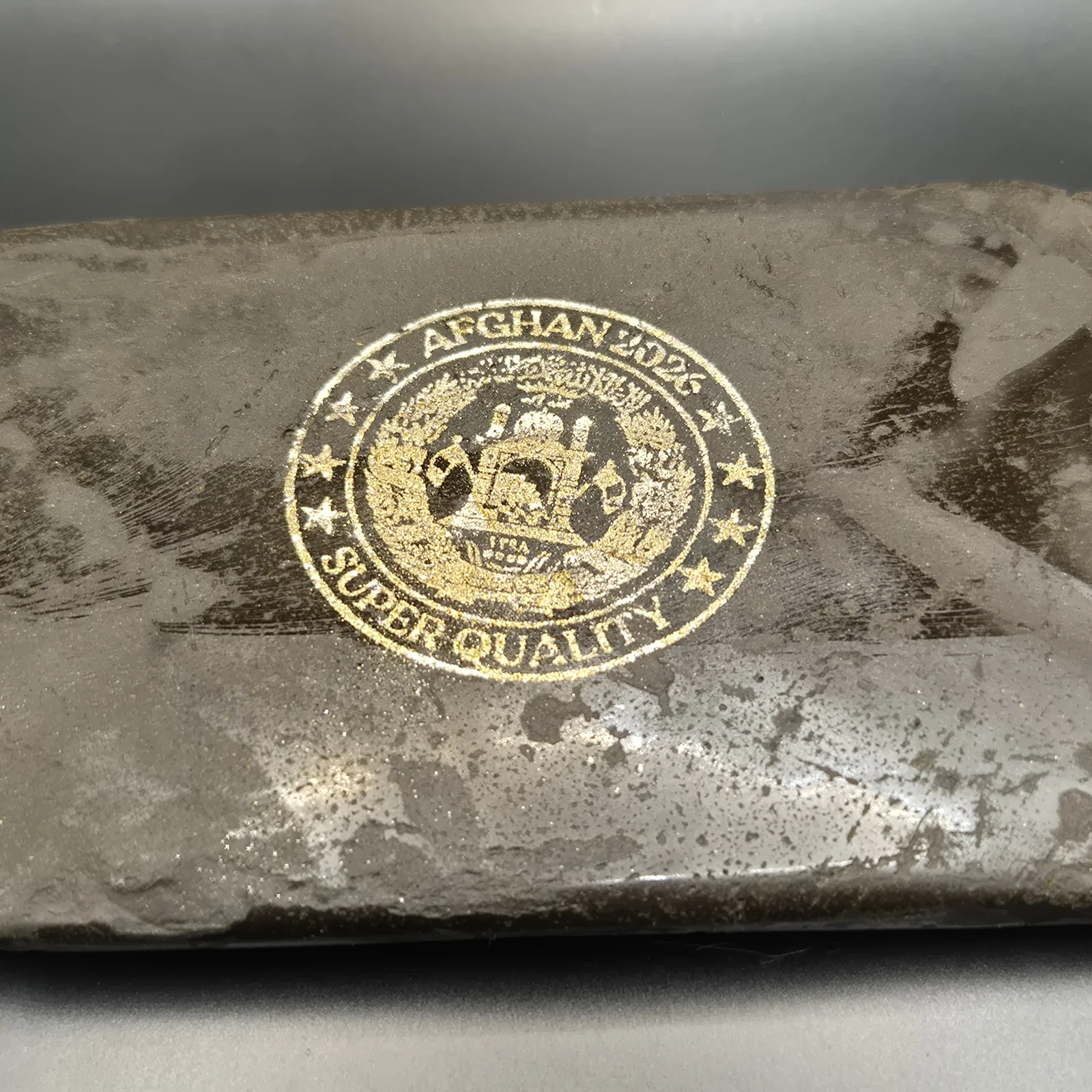
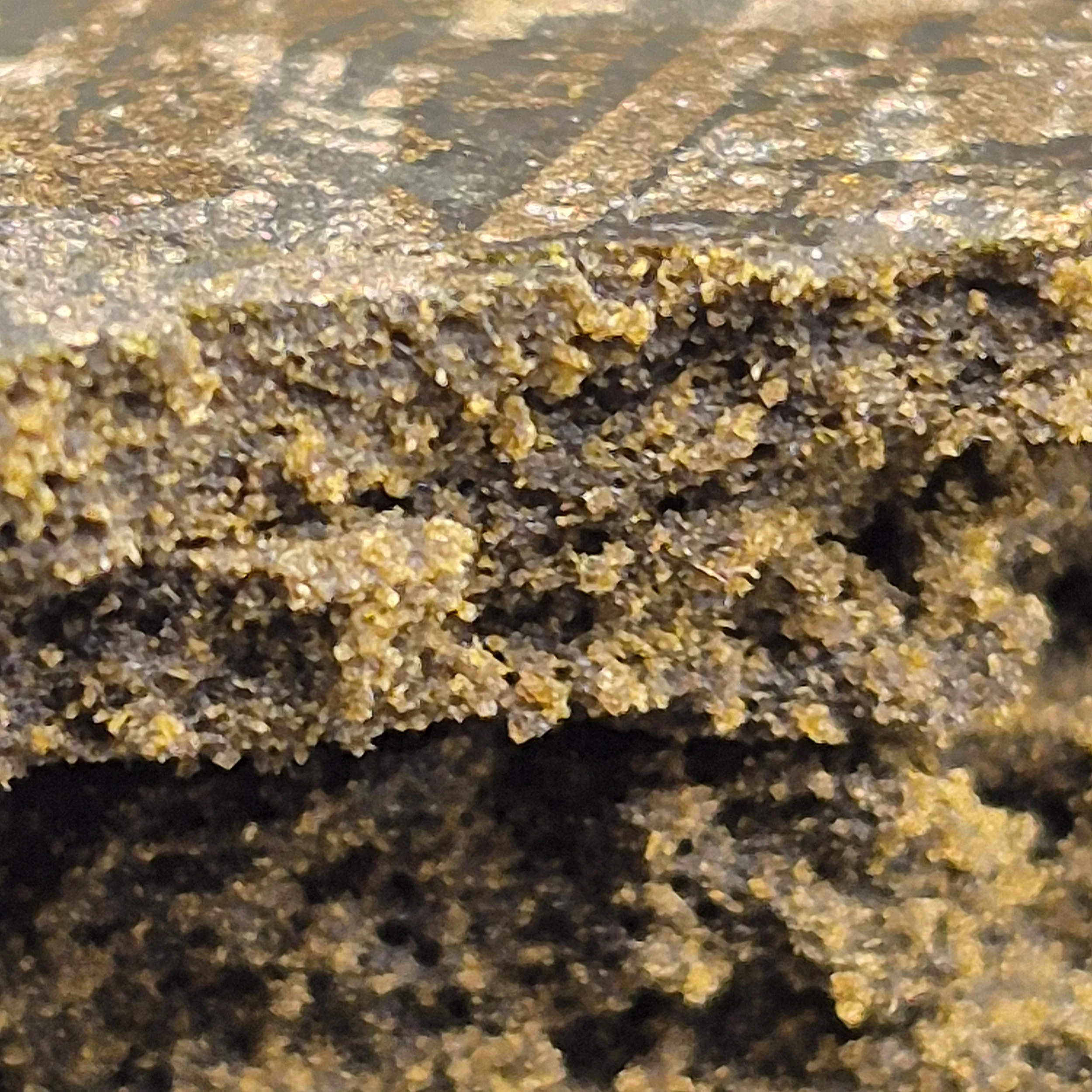
Resin with a supple texture and a fine grain, selected for its consistency, its even colour and its pronounced aromatic profile. A classic reference in the catalogue.

Denser resin with a deeper character, appreciated for its compact structure, its dark tone and its consistency from one delivery to the next.
The quality of a resin never comes down to a single molecule. Aroma, texture, residual moisture, trim, storage and consistency from batch to batch are the concrete criteria that separate a premium range from ordinary material. Terpenes, produced in the same trichomes as the cannabinoids, are the most immediate marker of that.
Often associated with deep, round and vegetal aromatic profiles.
Brings fresher, lemony and brighter notes.
Fresh, green and resinous profile, present in many varieties.
Adds character with a peppery and woody signature.
Dry, vegetal note, close to that of hops.
Brings a soft, slightly flowery nuance to the overall profile.
The European hemp framework relies in particular on THC thresholds and on rules specific to each country. A professional approach must remain cautious, transparent and documented.
Our products contain less than 0.3% Delta 9 THC.
Regulations on hemp and cannabinoids vary from one country to another and may change at any time. We do not comment on the status applicable in the customer's country.
Customer responsibility: it is up to each buyer to check the rules in force in their own country before any order or resale.
Our products are reserved for adults over 18 and presented as collector's items not intended for consumption. They are not medicines and are not intended to diagnose, treat, cure or prevent any disease.
Every batch is identified and tracked. Selection is based on observable criteria: appearance, texture, trim, consistency and aromatic profile. Batch references are kept for each order.
Rules may vary depending on the destination country. Green Connection favours clear communication, documented batches and a responsible approach for private and professional customers alike.
Proper storage preserves the appearance, the aroma and the stability of flowers, hash and resins. Premium products must be stored with care, especially when intended for resale.
Direct light can degrade the appearance, the aromas and the perceived quality of the product.
A stable temperature and a dry environment help preserve the texture and stability of the batch.
A suitable, clean and well sealed container offers better protection for flowers and resins.
For wholesale, we recommend keeping the batch references linked to each order.

Join our Telegram group or contact us directly on WhatsApp to access availability, wholesale batches and product information.
Read more
Go further with our guides, our pages and our catalogue.
Answers to the most searched questions about CBG, its history, its chemistry and the framework applicable in Europe.
CBG, or cannabigerol, is a cannabinoid naturally present in Cannabis sativa L. Its molecular formula is C21H32O2. It comes from CBGA, the acidic form produced early in the plant cycle, from which the other major cannabinoids are formed.
Cannabigerol was isolated in 1964 by Yehiel Gaoni and Raphael Mechoulam, in Israel. The same team identified the structure of THC that year. Their work established CBG as the common precursor of cannabinoids, which reorganised the understanding of hemp chemistry.
Because CBGA is the common chemical precursor of the main cannabinoids. Three enzymes convert it: THCA synthase, CBDA synthase and CBCA synthase. Without CBGA, neither CBD nor THC would exist in the plant.
Because it converts during maturation. In a conventional variety, almost all the CBGA has already been transformed into THCA, CBDA or CBCA by harvest time. Obtaining CBG rich material requires selected genetics or an early harvest.
They are two distinct molecules. CBG has the formula C21H32O2 and a molar mass of 316.48 g/mol, CBD C21H30O2 and 314.46 g/mol. CBG sits upstream in the synthesis chain, CBD downstream. CBD is abundant in many varieties, CBG remains rare.
Cannabinoids are specific to the Cannabis genus, with rare exceptions. Compounds analogous to CBG have been described in Helichrysum umbraculigerum and in certain liverworts of the Radula genus, suggesting a homology of some genes in the biosynthetic pathway.
Regulations on hemp and cannabinoids vary from one country to another and may change at any time. We do not comment on the status applicable in the customer's country. It is up to each buyer to check the rules in force where they are before placing an order. Our products are reserved for adults over 18 and presented as collector's items not intended for consumption.
The selection includes CBG resins and hash, among them Ketama CBG and Red Afghan CBG, depending on deliveries. Availability changes, the catalogue and the Telegram group show the current stock.
Yes. Green Connection supports professionals, shops, networks and resellers with catalogue access, available batches and information suited to B2B.