🇬🇧EN▾
🇫🇷FR🇬🇧EN🇪🇸ES🇮🇹IT🇩🇪DE

Home › Guides › Quality

Buyer guide · Updated October 2026

HOW TO SPOT QUALITY HEMP FLOWER

Quality hemp flower shows five signals at once: dense, well trimmed buds, an intact frost of trichomes, a clean and distinctive nose the moment the bag opens, a controlled dry and cure (the stem snaps, moisture is stable) and no visible flaws such as mould, seeds or excess leaf. This guide breaks down every criterion, explains how to read a lab report and gives wholesale buyers and collectors a checklist they can use on the spot.

Method

A grading framework for hemp flower

Grading hemp flower is a routine, not a hunch. Experienced buyers, whether they stock a CBD shop, supply a distribution network or build a private collection, work through the same sequence every time: look, look closer, smell, handle, then check the paperwork for the batch. Each step weeds out weak lots long before anyone talks about volumes.

The table below sums up the seven groups of criteria covered in this guide. None of them is enough on its own. A rock hard bud can hide rot at its core, and a loud nose can mask a rushed dry. Top shelf flower is the point where all the signals agree.

CriterionWhat you checkTool
StructureDensity, shape, calyxesEyes, fingers
TrimLeftover leaf, finishEyes
Colour and pistilsHue, consistencyDaylight
TrichomesCoverage, intact headsLoupe, microscope
AromaClarity, intensityNose, break test
Dry and cureStem, spring, moistureFingers, hygrometer
DefectsMould, seeds, pestsLoupe, torch
First look

Bag appeal: structure, trim, colour and pistils

Bud structure and density

A flower head, or bud, is a cluster of calyxes stacked around a central stem. Good flower shows swollen, tightly packed calyxes and a regular shape that repeats across the whole batch. Density is partly genetic: some cultivars grow compact, pine cone shaped colas while others form longer, airier spears. So the goal is not maximum density at any cost, it is the density you would expect from the cultivar on the label, and above all consistency from one bag to the next.

A gentle squeeze tells you a lot. Quality buds push back softly and spring into shape again. If the bud crumbles to dust, it is overdried; if it stays soft and tacky without bouncing back, it is still holding water. Lots made mostly of small buds (often called popcorn) or broken pieces are not necessarily poor, but they should be described and priced as what they are.

Hand trimmed vs machine trimmed

Trimming removes the leaves around the bud. A hand trimmer follows the outline of the calyxes with scissors and leaves a clean, natural looking flower with very few trichomes knocked off. Machines use blades or tumbling drums to shave off whatever sticks out. They are far faster, but the bud can look buzzed, with flat edges, nicked calyxes and part of the resin left behind in the machine.

The gap is not purely cosmetic. Research published in Frontiers in Plant Science in 2019 found that mechanical trimming of fresh buds sharply increased the number of fungal colonies recovered from surfaces, most likely because wounded tissue releases nutrients that moulds feed on. Careful trimming, whatever the method, is a good proxy for discipline across the whole post-harvest chain.

Colour

Well grown and properly dried flower keeps a vivid green, from lime to forest depending on the cultivar, sometimes with purple or burgundy streaks where genetics produce anthocyanins. Watch out for an overall straw yellow (dead leaf or a harsh dry), a dull brown (oxidation, age or the start of rot) and a dusty grey (surface debris or mould). Always inspect in daylight; warm shop lighting flatters every flower.

Pistils

Pistils are the hair-like strands growing out of the calyxes. They start white and darken to orange, rust and brown as the plant matures. On dried flower they should be present, lying along the calyxes, with a colour that is consistent across the lot. Their colour alone says little about quality, but missing or torn pistils often point to rough handling or an aggressive machine trim.
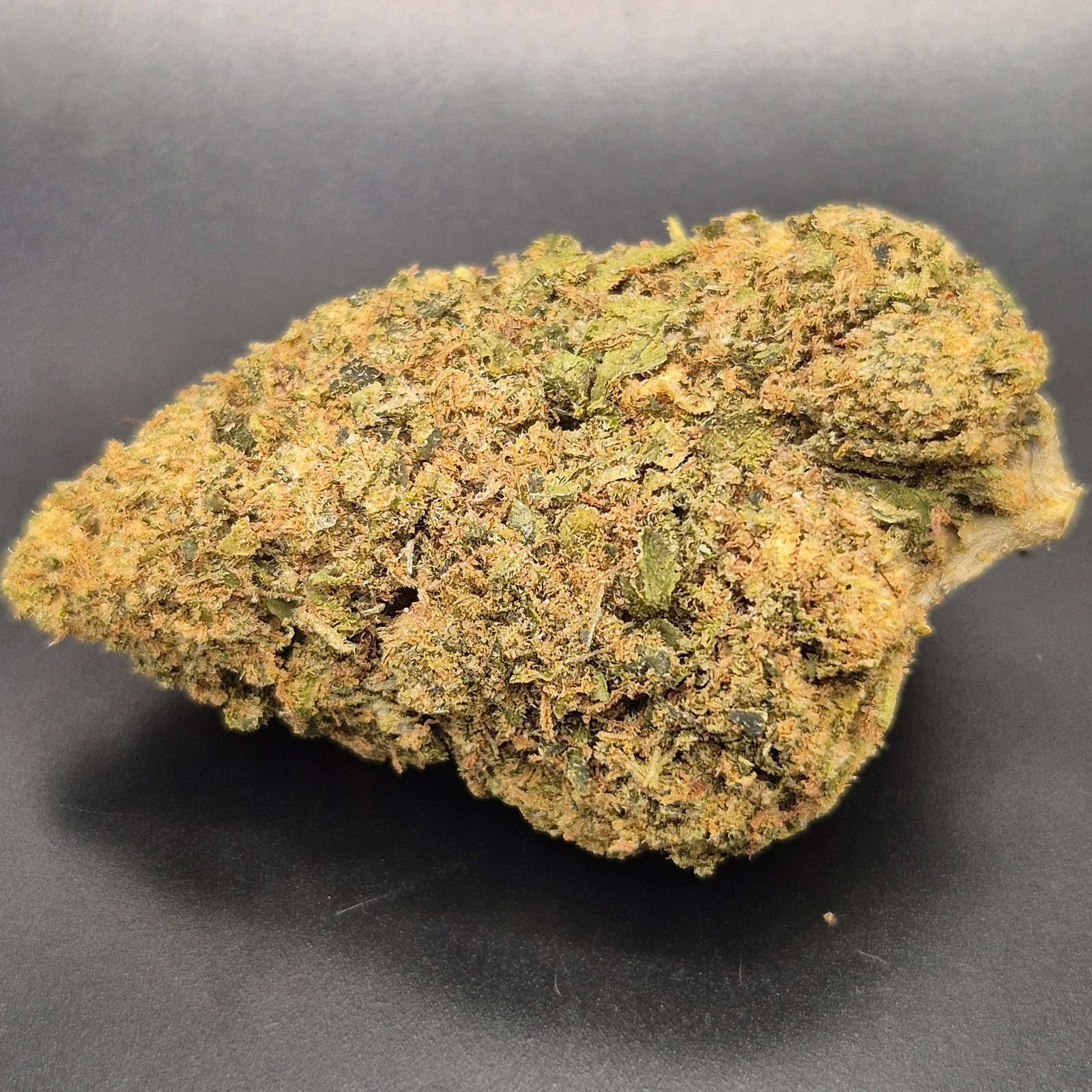
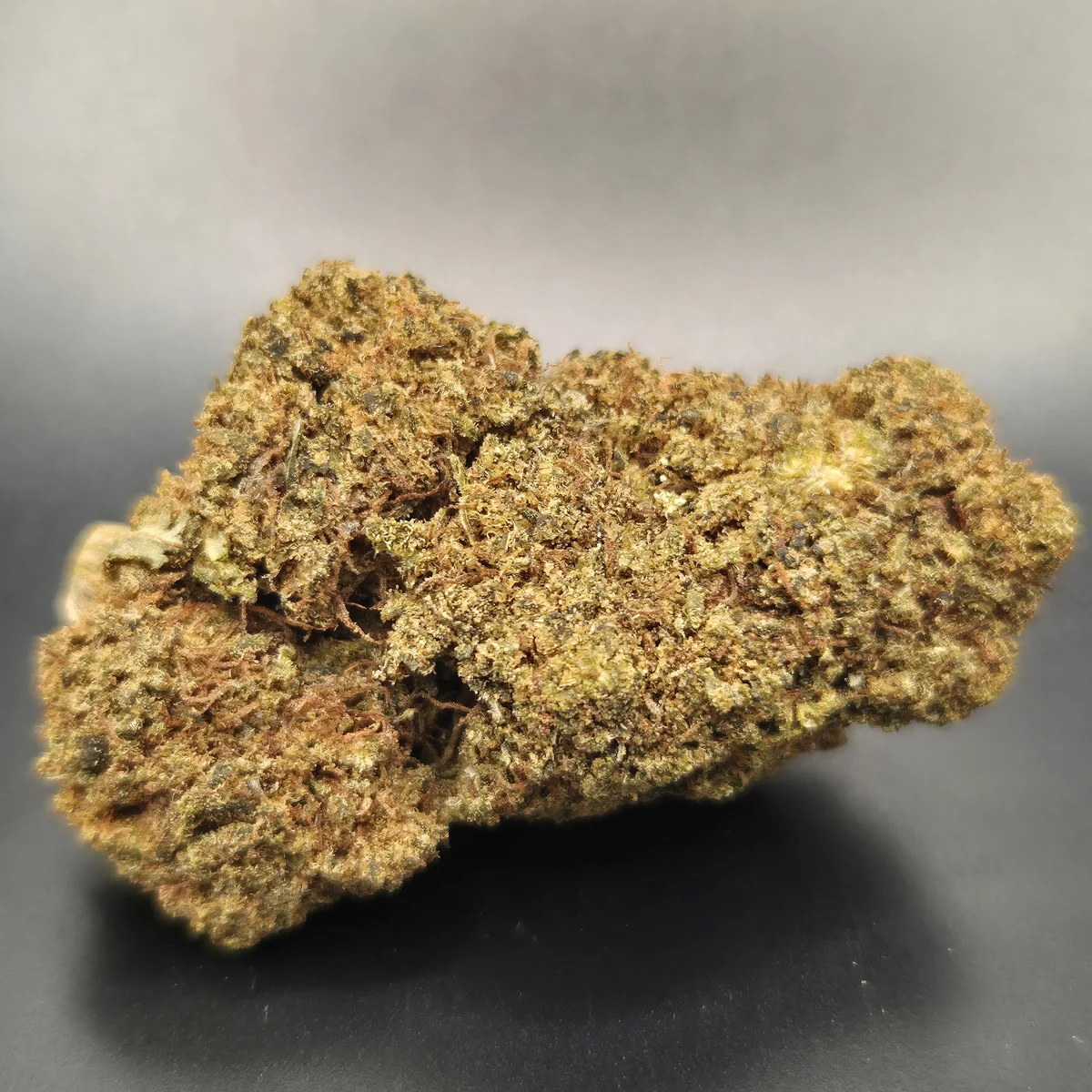
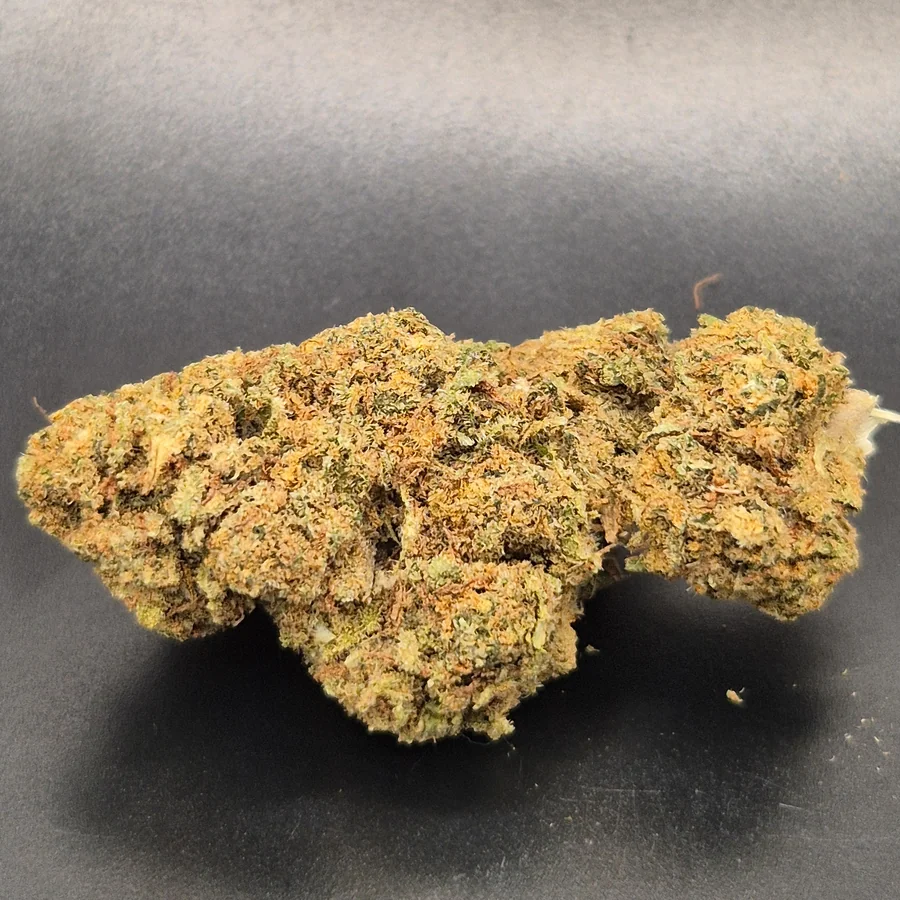
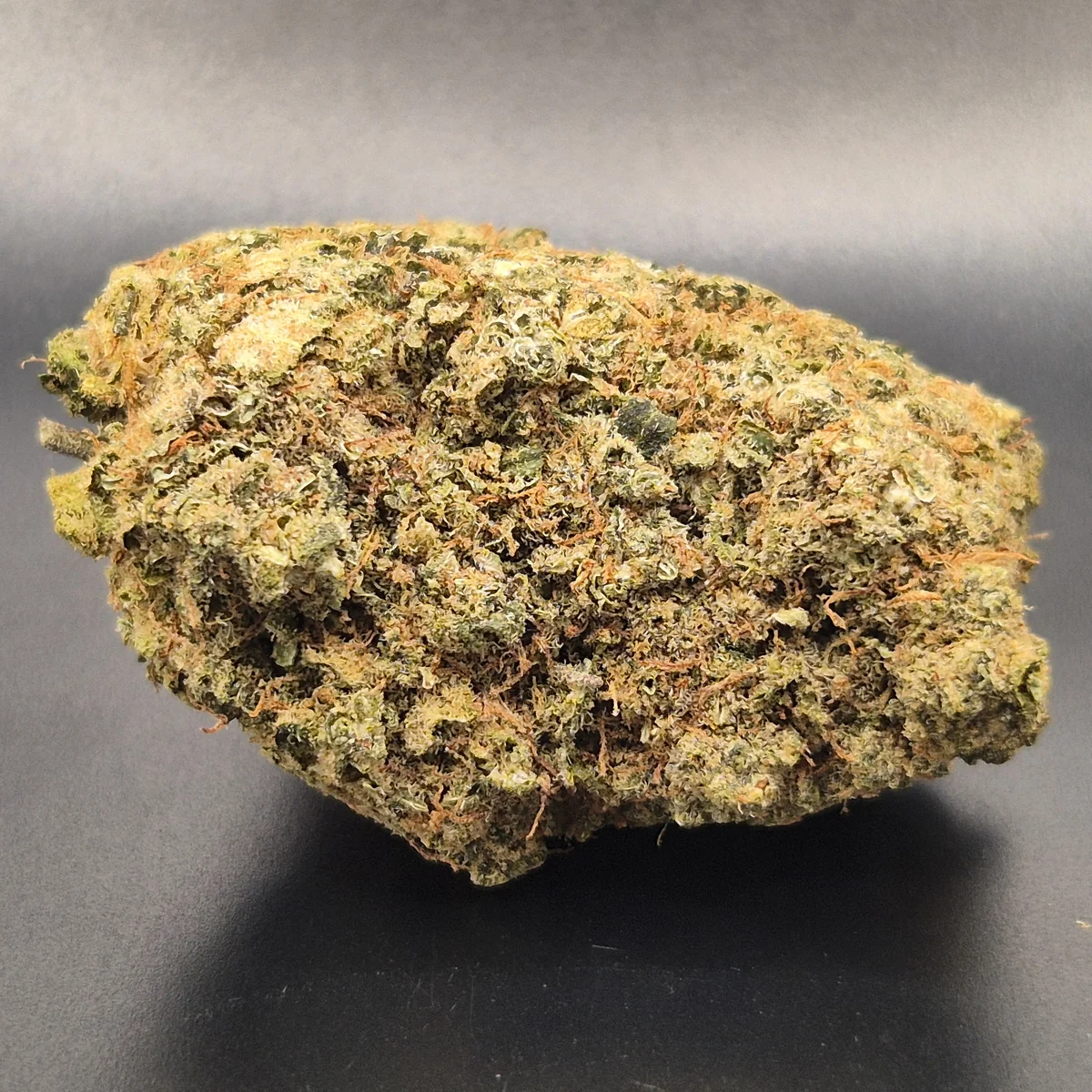
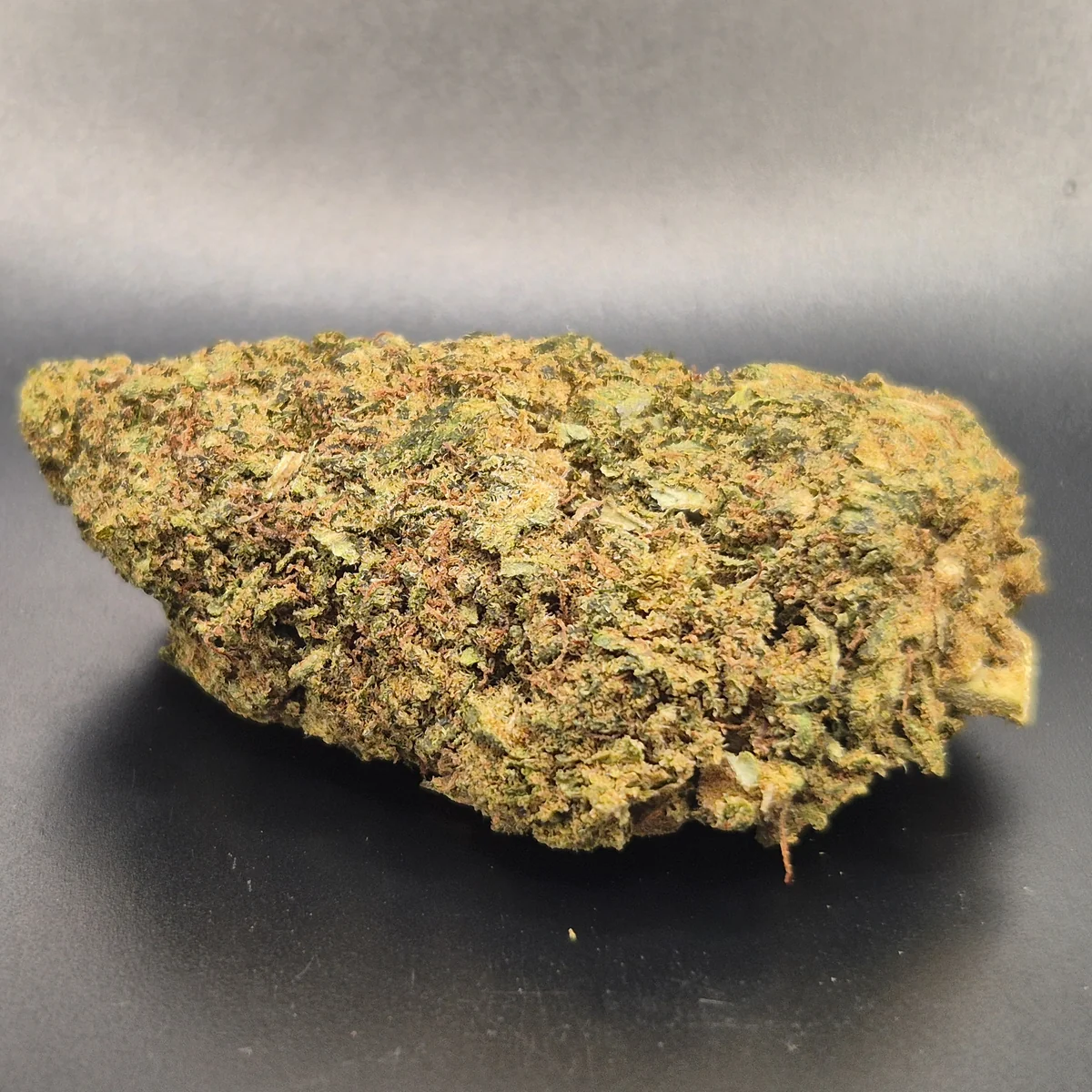
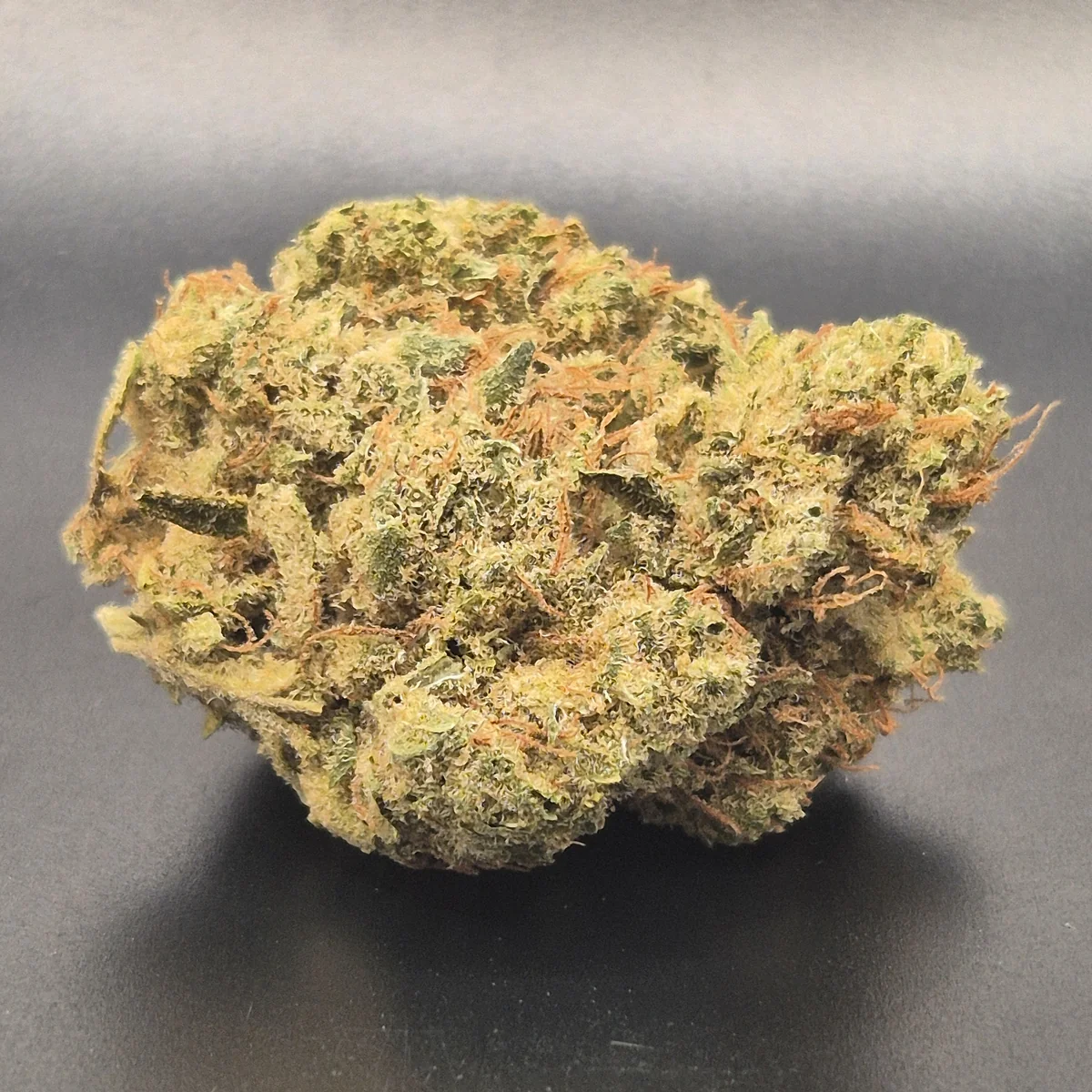
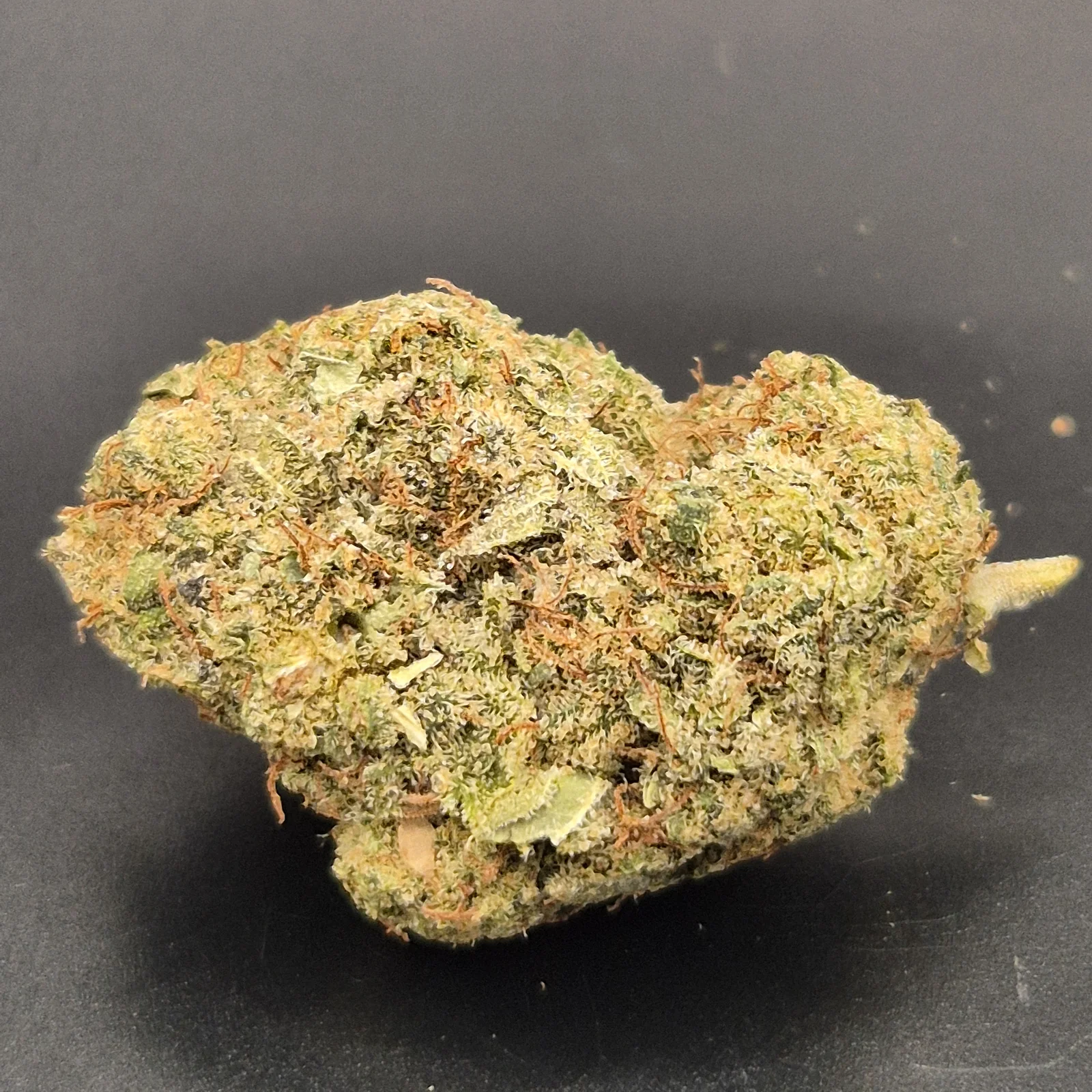
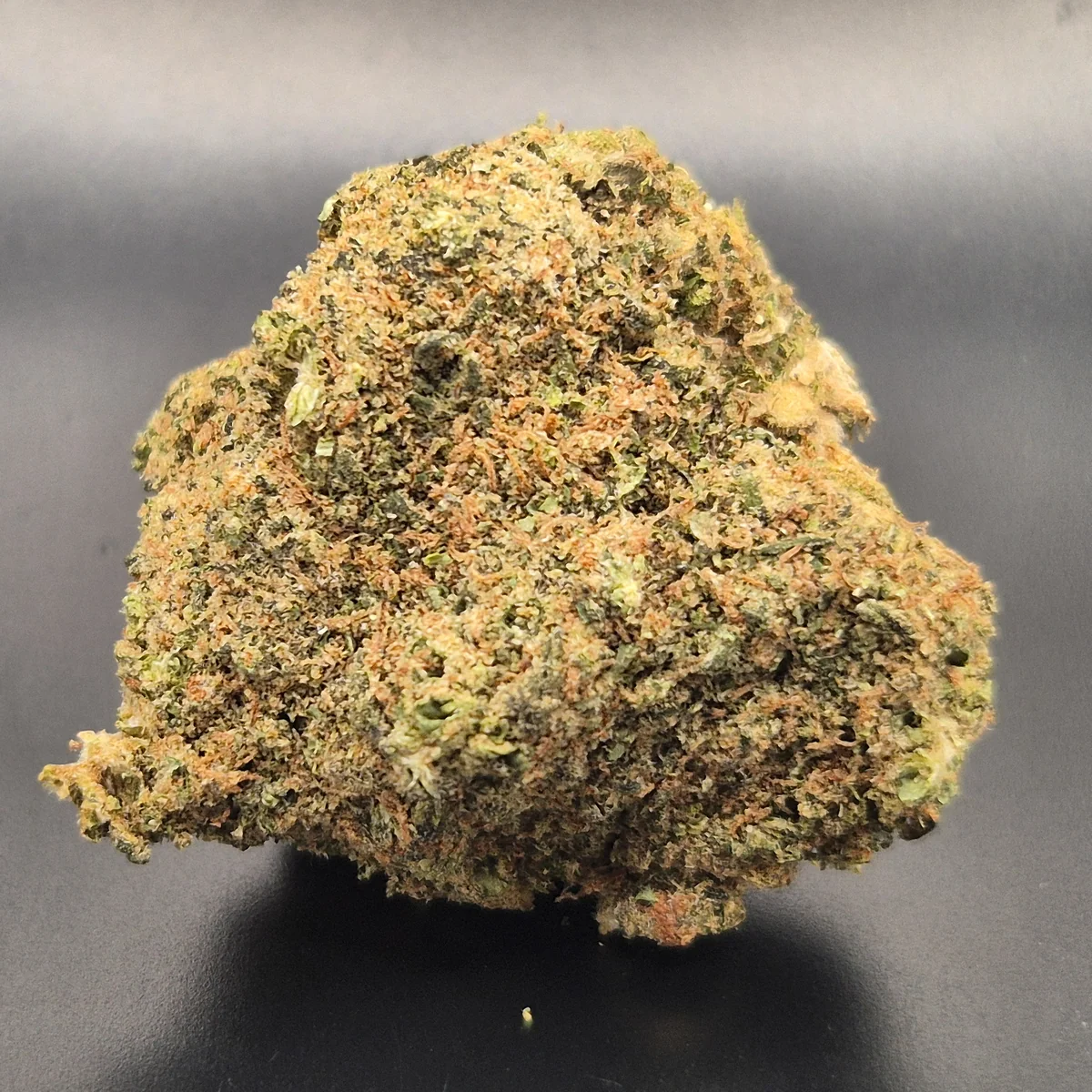
MAC 1 hemp flower, dense buds and careful trimLemon Pop hemp flower with visible trichome coverageTangerine hemp flower, colour and pistils of a quality budPapaya hemp flower, compact bud structureBlue Dream hemp flower, well dried appearanceNorthern Lights hemp flower, intact trichomesZushi hemp flower, hand trimmedAlien Kush hemp flower, calyx density
Under magnification

Trichomes: the connoisseur criterion

Glandular trichomes are the tiny mushroom shaped glands that coat the bracts and the small leaves around the bud. That is where the plant makes and stores its cannabinoids and terpenes. For a buyer they are the most telling criterion: flower with abundant, whole, glistening trichomes has been grown, harvested and handled with care.

The three types of glandular trichome

TypeSizeWhere to find it
BulbousSmallestWhole plant surface
Capitate sessileHead, no stalkLeaves, bracts
Capitate stalkedHead of 40 to 110 µmBracts of the bud

Work published in 2023 in the Journal of Cannabis Research by Zamir Punja's team measured glandular heads of roughly 40 to 110 micrometres, carried on stalks of very variable length. Capitate stalked trichomes, which dominate the bracts of female flowers, are what give a good bud its frosty look.

Coverage and integrity

To the naked eye, trichome rich flower looks dusted with sugar, right down into the gaps between calyxes. Under a loupe you are looking for round heads sitting neatly on their stalks. Headless stalks, heads smeared into streaks or bald patches with no resin all signal flower that has been overhandled, tumbled loose or run through a machine. A layer of blond powder at the bottom of the bag is another clue: resin has shaken off in transit.

Trichome head colour

Trichome heads change as the plant matures: clear, then milky, then brown or amber. In a 2023 study using automatic trichome image analysis, clear heads peaked around day 25 of flowering, milky heads peaked around day 50 depending on the genotype, and brown heads only appeared late in the cycle. On dried flower, a mix of milky heads with some amber ones points to a harvest at maturity. Mostly clear heads suggest an early chop; mostly brown, collapsed heads suggest a late harvest or ageing.

Jeweller's loupe or digital microscope

A 30x to 60x jeweller's loupe is enough to check coverage and spot broken heads. To judge head colour and tell trichomes apart from mildew, a USB or pocket digital microscope (around 60x to 200x) is far easier to use, and it lets you photograph samples so you can compare batches over time. Look at several buds, from several sides, always under the same light.

The nose

Aroma and terpene profile

A flower's smell comes from its terpenes, volatile molecules produced in the same trichomes as cannabinoids, plus trace sulfur compounds behind the loudest gassy notes. Our hemp terpenes guide covers their chemistry and aroma families in depth. For buying purposes, three questions matter: is the nose clean, is it strong, and does it match the cultivar on the label?

The break test

Smell the bag as you open it, then snap a bud in half under your nose. The inside, sheltered from air, gives the truest picture of the bouquet. Quality flower hits straight away with a precise, lingering scent that stays on your fingers: citrus, pine, berries, pepper, damp earth or fuel, depending on the chemotype. Weak flower smells faint, flat, or mostly just green.

Matching the cultivar

A strain name does not guarantee a profile; large scale studies have shown that retail labels track real chemistry poorly. What matters for a trade buyer is consistency under the same name. If this month's Lemon smells of hay while last month's smelled of lemon zest, the problem is the batch, not your nose.

Smells that should worry you

Hay, cut grass or chlorophyll almost always means the flower was dried too fast or never properly cured. A cellar, wet laundry, mushroom or ammonia smell points to mould or fermentation. A chemical, artificially sweet or oddly uniform scent deserves a direct question to the supplier about where the aroma comes from.

Post-harvest

Drying, curing and moisture

A great harvest can be ruined by a few days of careless drying. Drying removes most of the water; curing then lets the remaining moisture even out slowly between the core and the surface of the bud, in closed containers that are opened from time to time. This is the stage where the green smell fades and the bouquet sharpens.

The stem snap test

Bend the small stem holding a bud. If it snaps cleanly with a little crack, the dry is complete. If it bends without breaking, the flower is still too wet and may mould in a sealed bag. If the bud itself crumbles at a touch, it is overdried: trichomes fall off and the lightest terpenes are already gone.

Moisture content and water activity

Labs use two measures. Moisture content (loss on drying) is the percentage of total water: the European Pharmacopoeia monograph on cannabis flower, in force since 2024, sets a maximum of 12 %. Water activity (aw) measures free water, the part microorganisms can use to grow. ASTM D8197 recommends a range of 0.55 to 0.65 for dried flower: above 0.65 the mould risk climbs, below 0.50 the flower turns brittle and loses its aroma.

MeasureBenchmarkSource
Water activity0.55 to 0.65 awASTM D8197
Loss on drying12 % maximumEuropean Pharmacopoeia
Storage humidityAbout 55 to 65 % RHaw equivalent

What a good cure looks like

Well cured flower keeps a slight give at the core, feels dry on the surface, shows clear colours and smells stronger as you open it. Flower dried too quickly looks dull, feels scratchy and smells of fresh cut grass. A small digital hygrometer sealed in a jar with a few buds gives a reliable reading of equilibrium humidity within an hour.

Red flags

Defects to spot before you buy

Eight problems that should get a batch rejected, how to spot them and what they reveal.

Mould and bud rot

Severity: deal breaker

Botrytis (grey mould, often called bud rot) attacks the bud from the inside, starting at the stem. Calyxes turn brown and mushy, and grey-brown fuzz shows when you open the bud. Always break open several large buds: rot hides at the core.

Powdery mildew

Severity: deal breaker

Powdery mildew leaves a flat, dusty, cottony white film on leaves and bracts. Under a loupe it has no stalks and no round heads, which is how you tell it apart from trichomes. Its spores cling to the resin glands.

Seeds

Severity: high

Seeds mean the crop was pollinated. They add weight, reduce resin production and devalue the lot for a demanding audience. One stray seed happens; several per bag do not.

Too much leaf

Severity: medium

Long green leaves sticking out of the buds add weight with no value. As a benchmark, a Dutch pharmaceutical specification caps visible leaf at 20 % of the bud length.

Hay smell

Severity: medium

A hay or chlorophyll smell comes from drying too fast, before the chlorophyll had time to break down. A longer cure can sometimes soften it, but rarely makes it disappear.

Dust and debris

Severity: medium

Dust, sand, hair, packaging fibres or stem fragments reveal a poorly protected outdoor dry or careless packing. Field grown flower is more exposed.

Pests

Severity: deal breaker

Mites, thrips, aphids or their traces (fine webbing, black specks, white moults) are visible under a loupe. A live insect in a dry lot means storage has failed.

Excess moisture

Severity: high

Soft buds, stems that bend, condensation inside the bag: the lot may mould within days. Isolate it and measure it straight away.

The 2019 Canadian study mentioned above also found that, on dried buds from field grown crops, most of the fungi recovered belonged to the genus Cladosporium, ahead of Alternaria and Penicillium. These moulds are not always visible to the naked eye, which is exactly why microbiological testing, covered below, exists.

Origin

Indoor, outdoor or greenhouse: what changes

The growing method leaves a visible signature. It does not decide quality on its own, since a great greenhouse flower beats a sloppy indoor one, but it sets realistic expectations for looks, consistency and price. Our page on indoor, outdoor and greenhouse flowers goes further.

CriterionIndoorGreenhouseOutdoor
DensityVery highHighVariable
TrichomesVery visibleClearly visibleLess obvious
ColourBright light greenTrue greenDarker green
ConsistencyHighestGoodSeason dependent
Debris riskLowLowHigher

Environment matters for contaminants too. In the same 2019 Canadian study, Petri dishes exposed to greenhouse air collected up to about thirty fungal colonies, against roughly one in an indoor grow room. That does not rule greenhouses out, but it shows why a fast, clean dry is even more decisive there.

Goods in

On delivery: inspect and store properly

Quality control does not end with the sample. On every delivery, open one or two bags at random, check the nose, the spring of the buds and the absence of condensation, and compare them visually with the approved sample. Take a few microscope photos: they become your reference if you ever need to raise an issue with the supplier.

From then on, storage is everything. Light, heat, oxygen and swings in humidity degrade trichomes and drive off terpenes. Keep flower in airtight, opaque containers, somewhere cool and stable, and avoid opening them over and over. Our full guide to storing hemp flowers and resins covers temperatures, containers and timeframes. A flower that was perfect on arrival can turn ordinary within weeks in a brightly lit display case.

Laboratory

How to read a lab report

A certificate of analysis (COA) does not replace a visual inspection, it completes it. It measures what eyes and nose cannot: exact contents and invisible contaminants. Always start with the header: lab name, accreditation (ideally ISO/IEC 17025), a batch number that matches, a recent test date and the method used.

PanelWhat it showsUsual method
CannabinoidsCBD, CBDA, CBG, Delta-9 THCHPLC
TerpenesProfile and totalGC-MS, GC-FID
Heavy metalsLead, cadmium, mercury, arsenicICP-MS
PesticidesResidues found or notLC-MS/MS, GC-MS/MS
MicrobiologyYeast, mould, bacteriaPlating, PCR
MycotoxinsAflatoxins, ochratoxin ALC-MS/MS
MoistureWater content, awDrying, aw meter

Cannabinoids and terpenes

The cannabinoid panel lets you check regulatory compliance (Delta-9 THC level) and consistency with the product sheet. Results are given as a percentage or in mg/g; "ND" means not detected and "LOQ" is the limit of quantification. The terpene panel, supplied less often, lists the two or three dominant molecules and a total, which is handy for confirming that a batch matches its advertised aroma.

Contaminants

Heavy metals come mainly from soil and fertiliser, and hemp is a plant that takes them up readily. For pesticides, EU Regulation 396/2005 sets maximum residue levels for plant products; where no specific limit exists, a default value of 0.01 mg/kg applies. The microbiology panel counts total yeast and mould and screens for specific organisms; mycotoxins are toxins produced by certain moulds, and they stay behind even when the mould itself is no longer visible.

At Green Connection, batches are lab tested. Reports are internal documents and are not shipped with orders. For a trade project, talk to us on WhatsApp. The technical terms used here (HPLC, LOQ, aw, chemotype) are defined in our hemp and CBD glossary.

Print it

The wholesale buyer checklist

Print this table and tick every line for each sample and each delivery.

CheckpointExpectedOK
Bag on openingClean nose, no moisture
Bud sizeAs described
DensityFirm with some spring
TrimLittle leaf
ColourTrue green, even
TrichomesDense, heads intact
Aroma on breakDistinct, no hay
Stem testClean snap
Core of large budsNo grey fuzz
SeedsNone or a rare one
Debris, pestsNone
Batch testingTested, compliant
Match with sampleIdentical
At a glance

Good sign, bad sign

CriterionGood signBad sign
BudTight calyxesSoft or crumbly
TrimClean outlineLong leaves
ColourVivid greenBrown, grey
TrichomesGlistening frostBroken heads
AromaClean, loudHay, musty
StemSnapsBends
BagDry, cleanCondensation
BatchConsistentMixed
From the field

Common buyer mistakes

Buying from photos

A retouched studio shot tells you nothing about the nose, the dry or the core of the buds. A physical sample is non negotiable.

Chasing the number

A high cannabinoid figure does not make up for flower with no aroma or a poor dry. Your customers judge with their eyes and nose first.

Not breaking buds

Internal rot only shows when you open the biggest buds. Never stop at the outside.

Ignoring consistency

A stunning first lot is worthless if the next one is different. Ask how the supplier keeps batches consistent.

Poor storage

A warm, brightly lit display can undo a whole season's work in weeks. Storage is part of quality.

Trusting the name

Two flowers sold under the same name can smell completely different. Judge the batch, not the label.

Partnership

Working with a hemp flower wholesaler

Samples first

A serious wholesaler will always let you evaluate the goods before a volume order. Ask for samples of several lines, run them through the checklist above, let your team smell them, and keep part of each one properly stored as a reference. On our site you can request a free sample in a few clicks.

Batch consistency

For a shop, real quality means consistency: the same flower, presented the same way, order after order. Ask your supplier about sourcing, how lots are selected and what happens when a line sells out. A tight, well managed catalogue beats an endless list of names that change every month.

An ongoing relationship

Flag any deviation quickly, with photos, and expect a clear answer. A reliable partner explains, replaces or adjusts. Read our wholesale terms for hemp and CBD, then browse the full catalogue to choose your first lines. If you also stock resins, our hash and resin guide applies the same approach to those products.

For more on the molecules themselves, see our CBD guide, the CBG guide and the overview of hemp cannabinoids. Every topic is gathered on the Green Connection guides page.

Framework

Our position

Trade buyers

Judge our flowers in hand

Green Connection

Samples so you can see for yourself

Shops, distributors and collectors: put our flowers through this framework. Request your samples on WhatsApp, browse the catalogue and read our trade terms.

Read next

Our guides and pages

Continue with the Green Connection guide series.

FAQ

Hemp flower quality FAQ

Short answers to the questions hemp flower buyers ask most.

How can I tell quality hemp flower in a few seconds?
⌄

Check density and trim, look for the frost of trichomes, break a bud to smell the inside and bend the stem: it should snap. If all four signals agree, the sample deserves a closer look.

What does a frosty, trichome covered bud mean?
⌄

Trichomes are the glands where the plant makes its cannabinoids and terpenes. Dense coverage and intact heads point to careful growing and gentle handling after harvest.

What magnification do I need to inspect trichomes?
⌄

A 30x to 60x jeweller's loupe is enough for coverage. To read head colour or spot powdery mildew, a digital microscope at 60x to 200x is easier and lets you photograph each batch.

Is hand trimmed flower better than machine trimmed?
⌄

Hand trimming preserves bud shape and trichomes better. A well tuned machine can do a decent job, but an aggressive machine trim leaves flat edges and strips off part of the resin.

Why does my hemp flower smell like hay?
⌄

A hay or chlorophyll smell almost always means a rushed dry or a missing cure. The chlorophyll did not have time to break down and it masks the terpene bouquet.

How do I spot mould or bud rot on hemp flower?
⌄

Break the largest buds: bud rot leaves a brown core and grey fuzz. Powdery mildew forms a flat white film with no round heads under a loupe. A musty, wet laundry smell is another warning sign.

What moisture level should dried flower have?
⌄

ASTM D8197 recommends a water activity of 0.55 to 0.65, and the European Pharmacopoeia sets a maximum loss on drying of 12 % for cannabis flower.

Is indoor flower always better than outdoor?
⌄

No. Indoor usually brings more density and consistency, but well dried, well trimmed greenhouse or field grown flower can beat a poorly handled indoor lot. Judge the flower, not the label.

What should a full certificate of analysis include?
⌄

Cannabinoids, ideally terpenes, heavy metals, pesticides, microbiology, mycotoxins and moisture, with the batch number, test date and the name of an accredited lab.

Do Green Connection orders ship with a lab report?
⌄

No. Our batches are lab tested, but reports remain internal documents and are not included with orders. Our products contain less than 0.3% Delta-9 THC.

Why start with samples before ordering wholesale?
⌄

Only a physical inspection lets you apply the full framework: nose, dry, the core of the buds. Samples also act as a reference to check that later deliveries stay consistent.

How should I store hemp flower after delivery?
⌄

In airtight, opaque containers, somewhere cool, away from light and humidity swings, opened as little as possible. Our storage guide covers every detail.