🇬🇧EN▾
🇫🇷FR🇬🇧EN🇪🇸ES🇮🇹IT🇩🇪DE
  1. Home
  2. Guides
  3. Indoor, outdoor and greenhouse flower
Expert Guide · Hemp Cultivation

Indoor, Outdoor and Greenhouse Flower

Indoor hemp flower grows under lamps in a controlled room: dense, frosty buds, a loud aroma and a higher price. Outdoor flower grows in open fields with the seasons: airier structure, darker colour and lower cost. Greenhouse flower blends free sunlight with technical control. This guide compares the five main approaches, from LED grow rooms to living soil, so you can judge a batch the way a professional buyer does.

Contents

In This Guide

Jump straight to the part you need. Last updated: October 2026.

Overview

Three Ways to Grow, Three Signatures

How hemp is grown leaves a mark you can see and smell on every bud. Before going into detail, here is what separates the three families found on the European market.
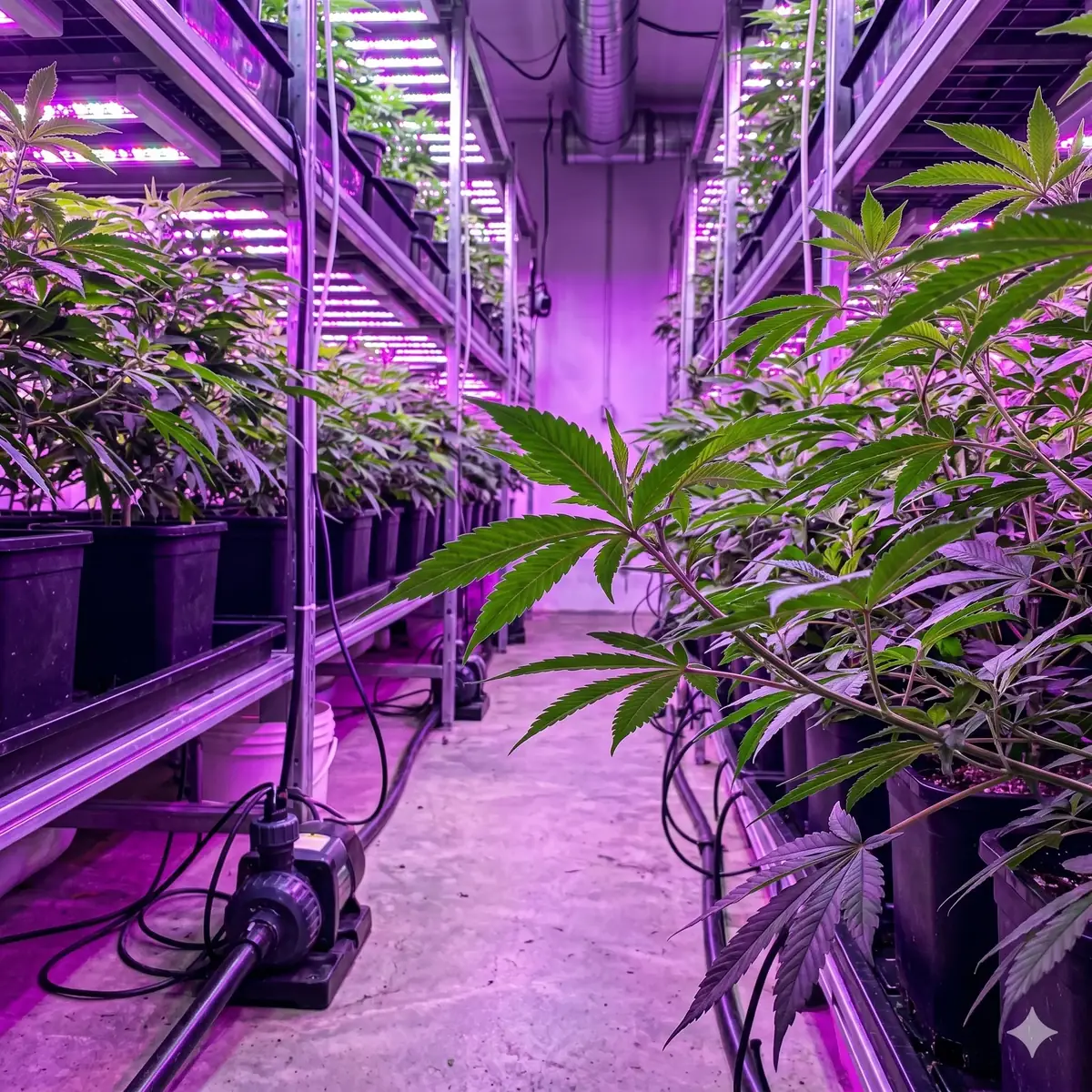
Indoor hemp grow room under lamps, indoor CBD flower
Indoor

Grown in sealed rooms under artificial light. Light, temperature, humidity and air are managed around the clock. The result is compact, resin-heavy buds, uniform sizing and several harvests a year.

Outdoor hemp field in Europe
Outdoor

Grown in the ground under open sky. The plant follows the seasons and the local terroir. Expect a more natural, airier look, a single harvest each year and much lower production costs.

Greenhouse

Grown under cover: natural sunlight, protection from the weather and tools such as shade screens, supplemental lights or blackout curtains. Right now it is the most talked-about balance of quality, price and footprint.

Hydroponics and living soil: two schools of thought

Indoor, outdoor and greenhouse describe where the plant grows. Hydroponics and living soil describe what feeds its roots. The two dimensions combine freely: hydro systems run both indoors and in greenhouses, and living soil beds exist in fields as well as grow rooms. A sharp buyer always asks about both.
Grown inside

Indoor Flower: Precision Under Lights

Indoor growing recreates, by machine, everything the sun and climate provide outside. Total control is expensive, but it gives buds their most striking appearance and a consistency other methods struggle to match.

How it works

Plants grow in a room sealed off from the outside world. The grower sets the length of the day: long light periods for vegetative growth, then a switch to twelve hours of light and twelve hours of total darkness to start flowering.

That switch works because hemp is a short-day plant: it flowers as nights get longer. Indoors there are no seasons, so cycles can run back to back all year.

LED vs HPS lighting

For decades, high-pressure sodium (HPS) lamps ruled grow rooms: orange light, decent output and a lot of heat to remove. Horticultural LEDs are steadily replacing them because they turn electricity into usable light more efficiently and put less heat on the canopy.

Researchers at Utah State University put the practical ceiling for white plus red LED fixtures at around 3.4 micromoles of photons per joule. A University of Guelph study also found that dry flower yield and the density of the top colas rose with light intensity, while cannabinoid content stayed the same.

Climate control

Temperature, humidity, air exchange and circulation, filtration and sometimes CO2 enrichment are tuned to each growth stage. Late in flower, dehumidification becomes critical: very dense buds hold moisture and invite grey mould (botrytis).

Indoor growing also shuts out the outside world: no rain, no hail, no pollen drifting in from a neighbouring field and few insects.

Soil, coco or hydro

Three main growing media share indoor space.

  • Soil: forgiving and well buffered, often credited with rounded aromatics.
  • Coco coir: inert, airy and responsive, a favourite of commercial growers.
  • Hydroponics: roots fed directly by solution for maximum control (see the next section).

Typical look and aroma

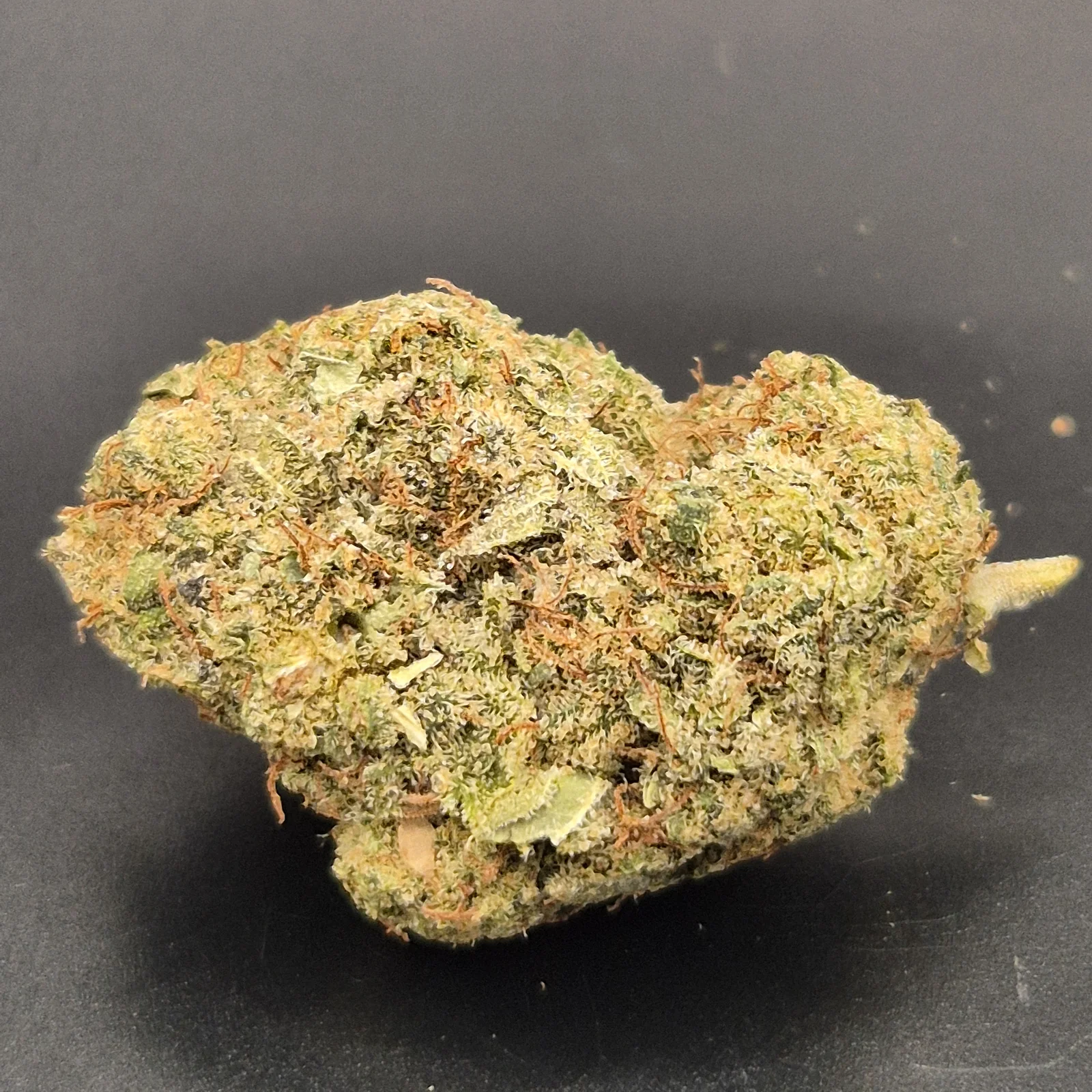
Indoor flower shows tight, heavy buds of even size. Trichomes coat bracts and sugar leaves in a frosty layer that catches the light. Colours run from light to vivid green, sometimes with purple hues depending on genetics, and orange pistils stand out sharply.

Open the bag and the scent is usually loud and clean: the buds never faced wind, rain or heatwaves, and harvest day was chosen precisely. Our terpene guide explains where those aromas come from.

Pros, cons and cost

  • Consistent batches from one harvest to the next.
  • Premium bag appeal that sells on the shelf.
  • Year-round supply, independent of the weather.
  • Highest production cost, so the highest price per gram.
  • Heavy reliance on electricity and equipment.

The environmental bill is steep. A Colorado State University study in Nature Sustainability estimated US indoor cultivation emissions at 2,283 to 5,184 kg of CO2 equivalent per kilo of dried flower, driven mainly by HVAC and lighting.

Soilless

Hydroponics: Control Down to the Detail

Hydroponics removes soil from the equation and feeds the plant directly. It is the go-to technique for growers chasing consistent quality and flawless bag appeal.

How hydro works

Roots grow in water or an inert medium such as rockwool, expanded clay or sometimes coco, and receive a solution carrying every nutrient the plant needs. Common systems include drip-fed rockwool slabs, nutrient film technique (NFT) and deep water culture, where roots hang in oxygenated solution.

The grower tracks pH and electrical conductivity (EC), a proxy for nutrient strength, around the clock. Nothing is left to chance.

What hydro changes in the bud

Precise, readily available nutrition speeds up growth and favours dense, well-formed buds with very even sizing. Serious hydro growers also aim for a developed aromatic profile and generous trichome coverage.

There are trade-offs: a pump failure or an unbalanced solution shows up within hours, and root diseases spread quickly through water. Hydroponics demands real technical skill.

Our Hydro CBD flowers

In the Green Connection catalogue, Hydro CBD flowers such as MAC 1, Zushi, Northern Lights, Lemon Pop and Forbidden Fruits are grown hydroponically. The aim is precise quality control, richer aromatics and a premium appearance, with lab-tested batches. Browse the full range in our CBD flower catalogue.

Worth knowing: water in a closed hydroponic loop can be recirculated, which cuts waste. On the other hand, hydro cannot be certified organic in the EU, as explained below.

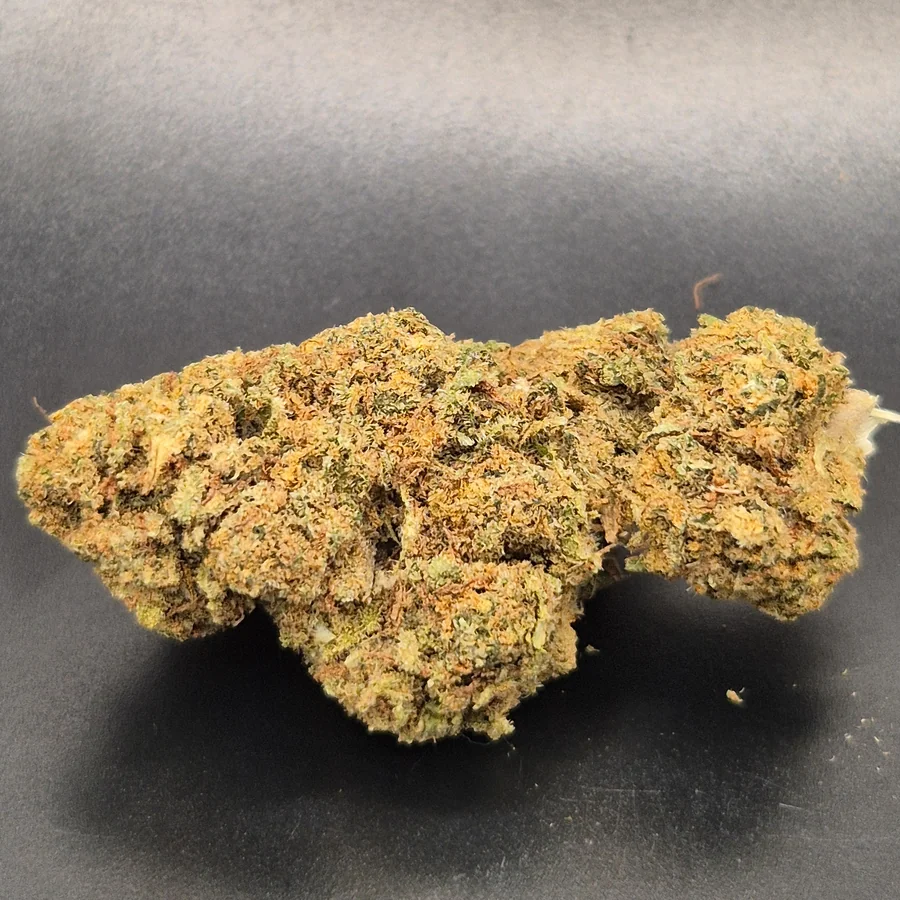
MAC 1 hydro CBD flower, hydroponically grownZushi hydro CBD flower, dense budsNorthern Lights hydro CBD flowerLemon Pop hydro CBD flower
Open field

Outdoor Flower: Sun and Terroir

Outdoor is the original method: plants grow in the ground, under the sun, on nature's calendar. It uses the least energy and expresses terroir most clearly, with a share of unpredictability that comes with the territory.

Following the seasons

In Europe, young plants go into the ground in spring and use the long days of summer to bulk up. Flowering begins once day length drops below a threshold that University of Florida researchers place at roughly fifteen to sixteen hours for most hemp. Flower harvest usually falls between late summer and mid-autumn.

That means one harvest a year, timed by variety, latitude and late-season weather.

Terroir and climate

As with wine, soil, aspect, altitude and climate all shape the plant. Around the Mediterranean (the Iberian peninsula, Italy, southern France) sunshine is generous and summers are dry, but irrigation and heat stress need careful management.

Further north and in central Europe the season is shorter, and damp autumns raise the risk of mould inside the buds. Growers there favour early-finishing varieties that flower before the rains arrive.

Typical look and aroma

Outdoor buds are often larger but looser, with an open, airy structure. Colour leans toward deeper green, sometimes brownish or tinged with purple as nights turn cold. Wind, rain and UV can wear away part of the trichome layer, so the frost looks lighter.

The nose tends to be earthier, more herbal and layered, with more variation from batch to batch. Fans of rustic profiles find real character here.

Pros, cons and footprint

  • Lowest production cost, so the most affordable price per gram.
  • Very low electricity needs.
  • Large volumes, well suited to processing.
  • Exposed to weather, pests and stray pollen.
  • Less uniform sizing and appearance.

Water is the main pressure point: depending on the region, rainfall is enough or summer irrigation becomes essential.

Under cover

Greenhouse Flower: the Middle Ground

A greenhouse harvests free sunlight while sheltering the crop. Depending on how it is equipped, it ranges from a simple plastic hoop house to a computer-run glasshouse.

The principle

A frame covered in plastic film, polycarbonate or glass lets light through and shields plants from rain, wind, hail and some pests. Vents, fans and shade screens keep temperatures in check. The plant enjoys the full solar spectrum without the extremes of open-field growing.

Light dep

Light deprivation, or light dep, means pulling blackout curtains over the crop to force around twelve hours of darkness. Flowering then starts when the grower decides, even in midsummer.

That opens the door to several harvests a year. As Cannabis Business Times points out, the darkness has to be total: even small light leaks can disrupt flowering.

Supplemental lighting

In mixed-light greenhouses, lamps top up the sun when it falls short, in winter or under cloud. They can also stretch the day during vegetative growth. University of Florida trials showed that supplemental light extending the vegetative phase produced far bigger plants and made two harvests a year possible.

Look, aroma and price

Greenhouse flower sits between the two worlds: dense buds, slightly less compact than indoor, good trichome coverage and bright, natural colour. The aroma is often fresh and expressive.

Mid-range production costs translate into a mid-range price per gram, which is why more and more retailers turn to greenhouse lots for a sound balance of quality, cost and footprint.

Glasshouse: high-tech glass greenhouses

In the Netherlands, growing under glass is an industry in its own right: Statistics Netherlands (CBS) counted about 10,150 hectares of horticultural greenhouses in 2023. These glasshouses, often Venlo-type, combine high-transmission glass, thermal screens, supplemental lighting and computer-controlled climate.

Applied to hemp, this approach produces flower very close to indoor in consistency while still running on natural light. You will also hear the terms mixed light or semi-closed greenhouse.

Living soil

Living Soil and Organic Growing

Living soil turns hydroponics on its head: instead of feeding the plant, the grower feeds the soil, and the organisms living in it make nutrients available to the roots.

How living soil works

Compost, organic amendments, mulch and cover crops sustain a busy microbial community: bacteria, mycorrhizal fungi, earthworms. The soil is often reused from cycle to cycle without being tilled. The plant draws on an ecosystem at its own pace rather than on a solution mixed by hand.

The method is used in fields, in greenhouses and even indoors, in large beds.

What EU organic rules say

Under Regulation (EU) 2018/848 on organic production, organic crops must grow in living soil connected to the subsoil and bedrock. Hydroponic production is explicitly prohibited.

In practice, hemp flower sold as organic in Europe comes from in-ground cultivation. Raised beds sitting on a concrete floor do not meet that requirement.

Character and reputation

Among many growers and connoisseurs, living soil flower has a reputation for complex, nuanced aromatics. That judgement is qualitative: genetics, harvest timing and drying weigh at least as much as the soil itself.

Drawbacks

  • Slower growth than hydroponics.
  • Less fine control, so more variation.
  • Needs space and quality organic inputs.
  • Requires solid agronomic know-how.
Comparison table

Indoor vs Greenhouse vs Outdoor: Full Comparison

This table sums up general trends seen across the market. Every grower is a special case, so treat it as a reading grid rather than a hard rule.

CriterionIndoorGreenhouseOutdoor
Light sourceLED or HPS lampsSun, plus top-up lightsSun only
Climate controlTotalPartial to highNone
Harvests per yearSeveralOne to severalOne
Bud densityVery denseDenseAirier
TrichomesHighly visible, frostyPlentifulVariable
ColourLight to bright greenBright, natural greenDark to brownish green
AromaLoud, cleanFresh, expressiveEarthy, layered
Batch consistencyVery highGoodVariable
Production costHighMediumLow
Price per gramHighestMid-rangeLowest
EnergyVery highModerateLow
WaterControlled, recyclableControlledRain and irrigation
MediumSoil and living soilCoco coirHydroponics
FeedingThrough the soilSolution on substrateDirect solution
ControlMediumHighMaximum
SpeedSlowerFastFastest
Margin for errorWideMediumNarrow
EU organic possibleYes, in-groundNoNo
By eye and nose

How to Spot Indoor, Outdoor or Greenhouse

Without a label, a trained eye can often guess where a bud was grown. A few simple cues give you a first opinion before you ask the supplier to confirm.

Signs of indoor flower

  • Tight, heavy buds of even size.
  • Thick trichome layer, a sugary or frosted look.
  • Light to vivid green, crisp pistils.
  • Strong scent as soon as the bag opens.

Signs of outdoor flower

  • Larger, looser or elongated buds.
  • Darker green with brown or purple tones.
  • Trichomes sometimes worn by weather.
  • Earthier, herbal, rustic nose.

Signs of greenhouse flower

  • Good density with a slightly more open shape than indoor.
  • Bright, natural colour.
  • Solid resin coverage.
  • Fresh, often very expressive bouquet.

Traps to avoid

Genetics can mislead: some cultivars stay airy even indoors, while others are naturally compact in the field. Poor drying can also spoil indoor flower, while carefully handled outdoor can shine.

Your nose also reads freshness: a hay smell usually means drying was too fast, a musty smell that it was too slow. To keep quality over time, follow our guide to storing flowers and resins.

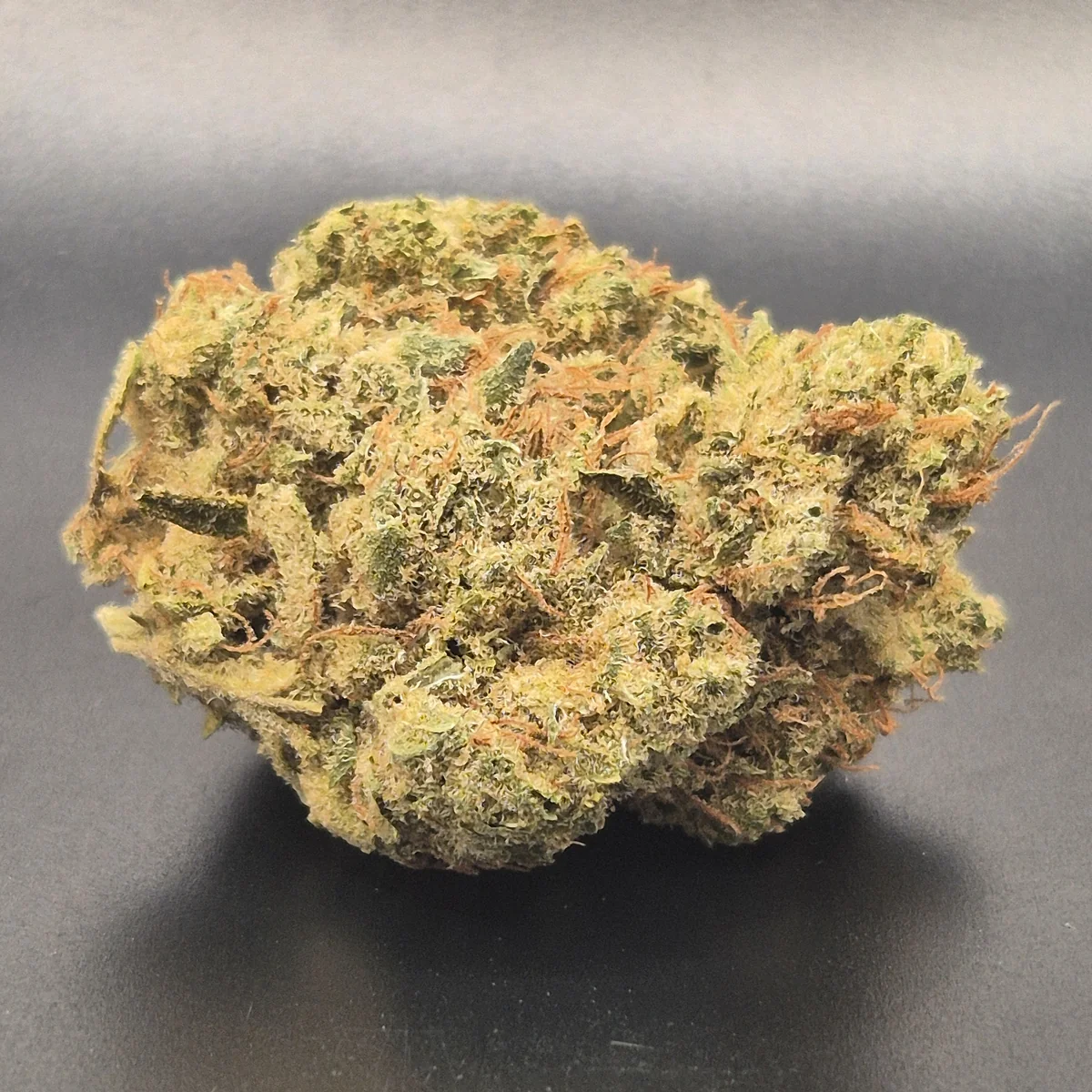
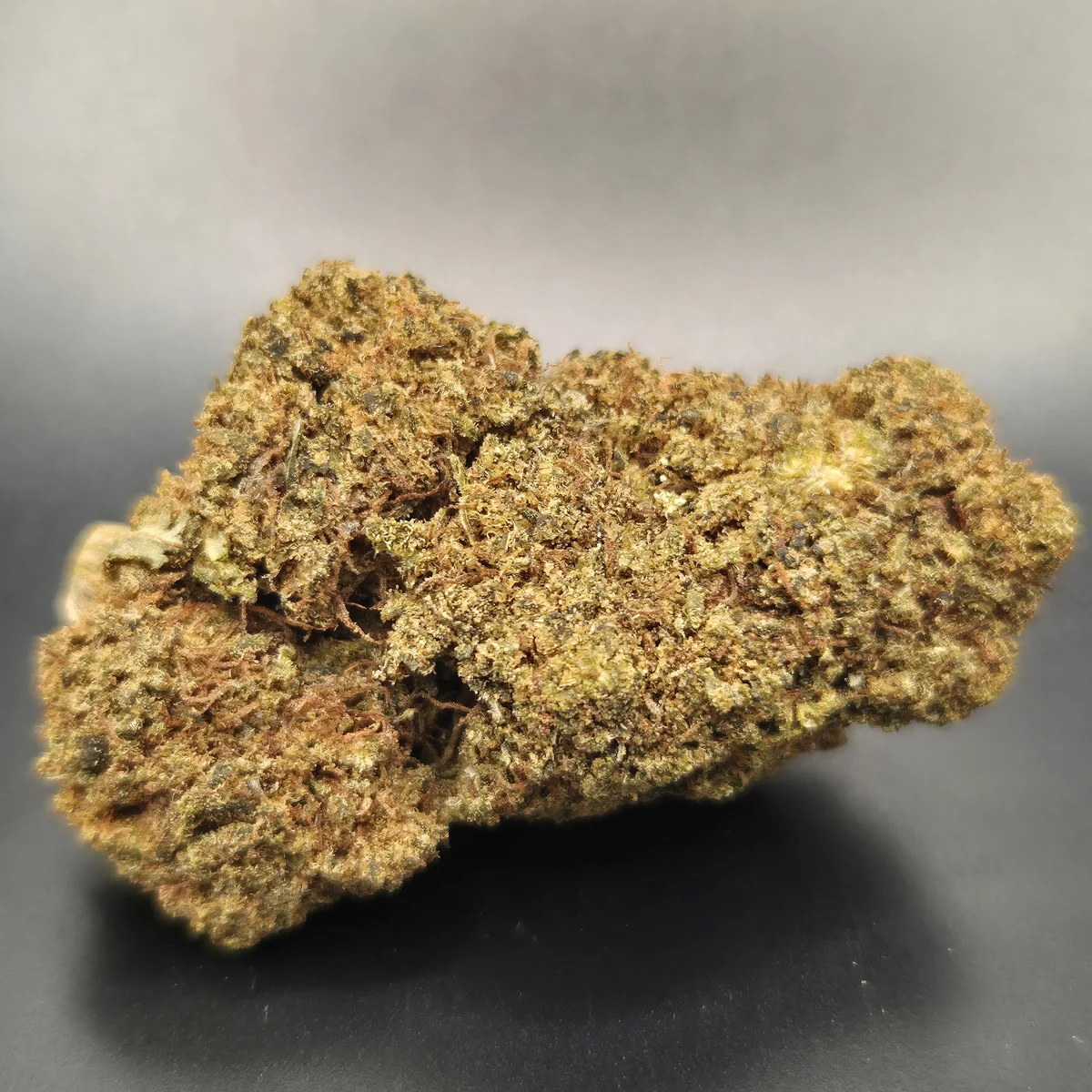
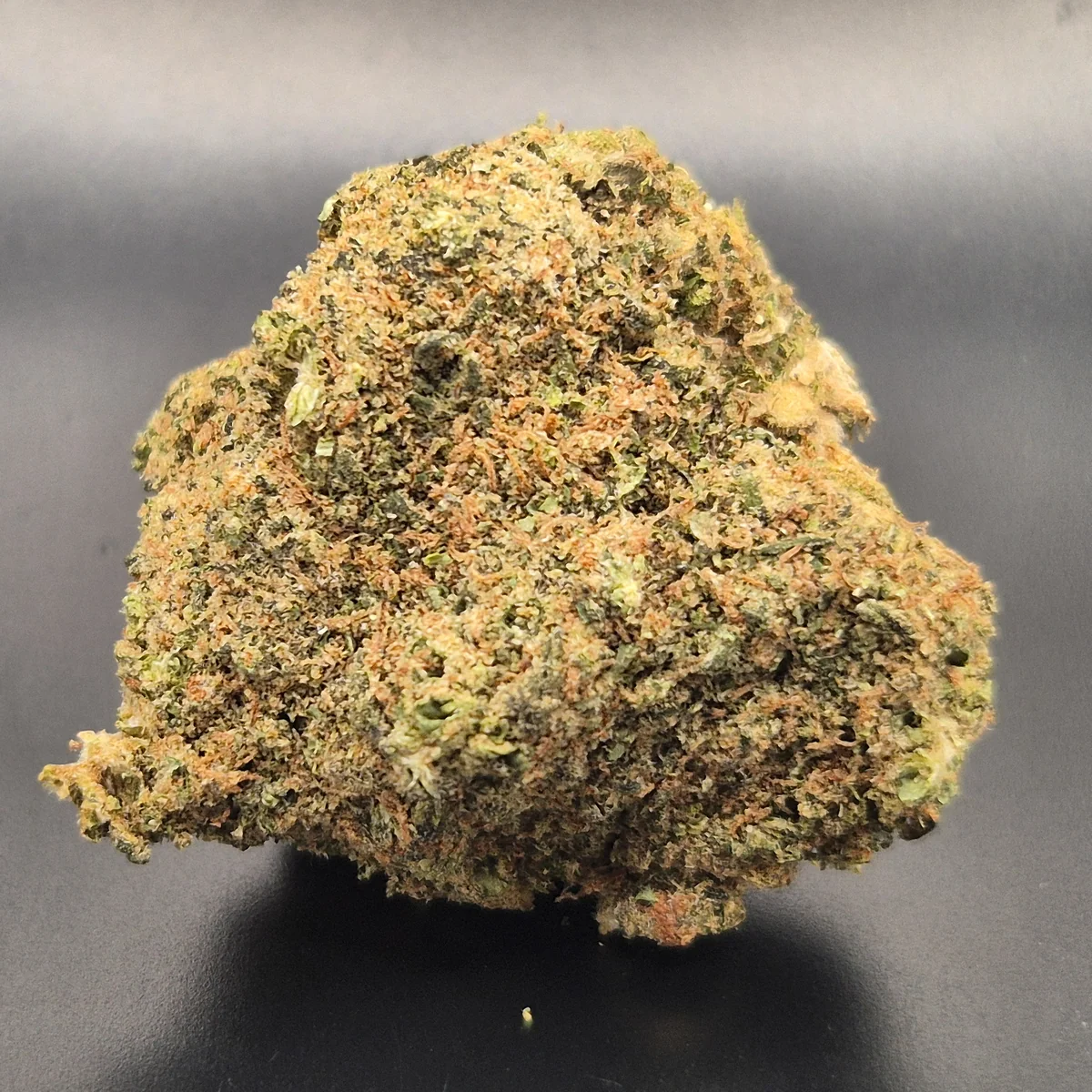
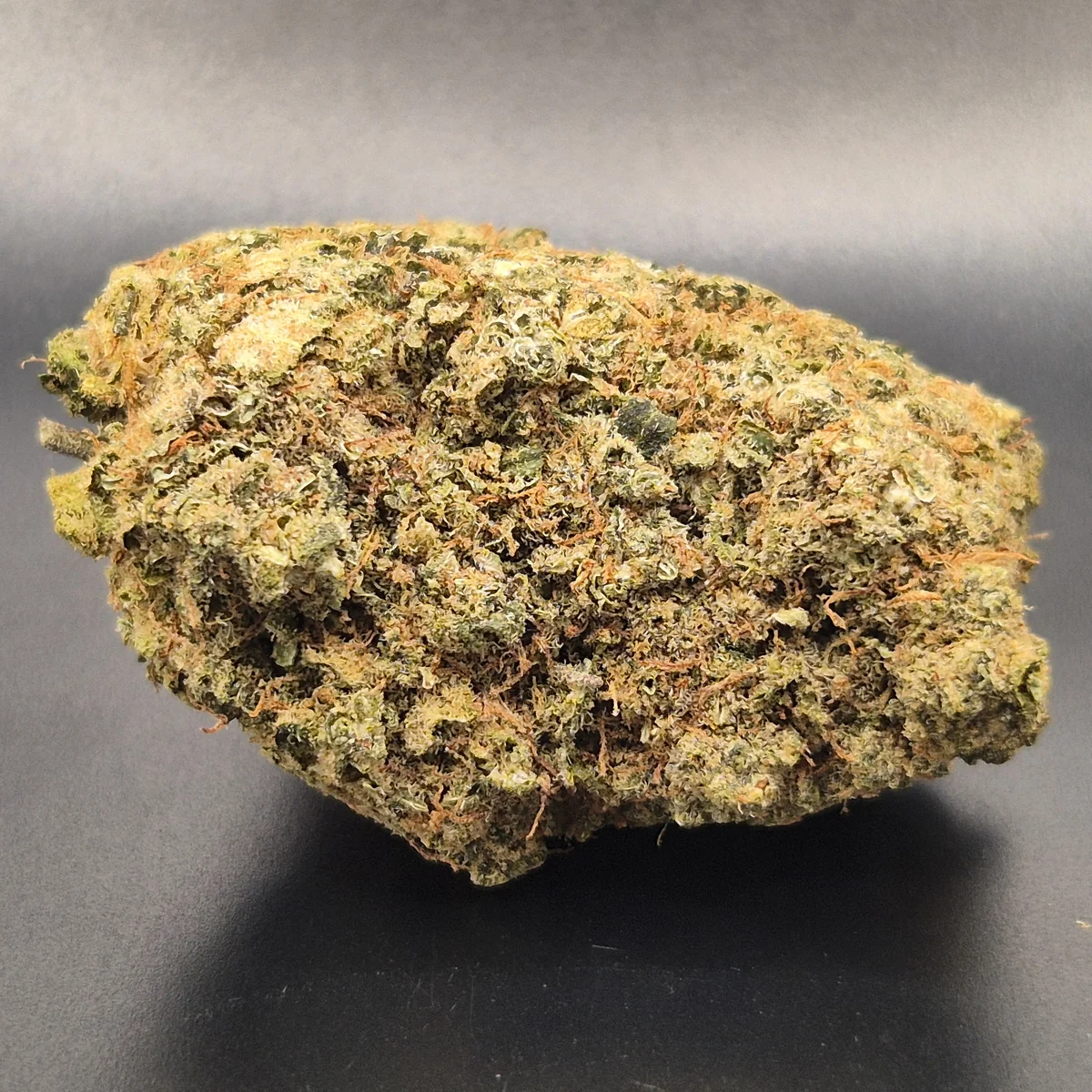
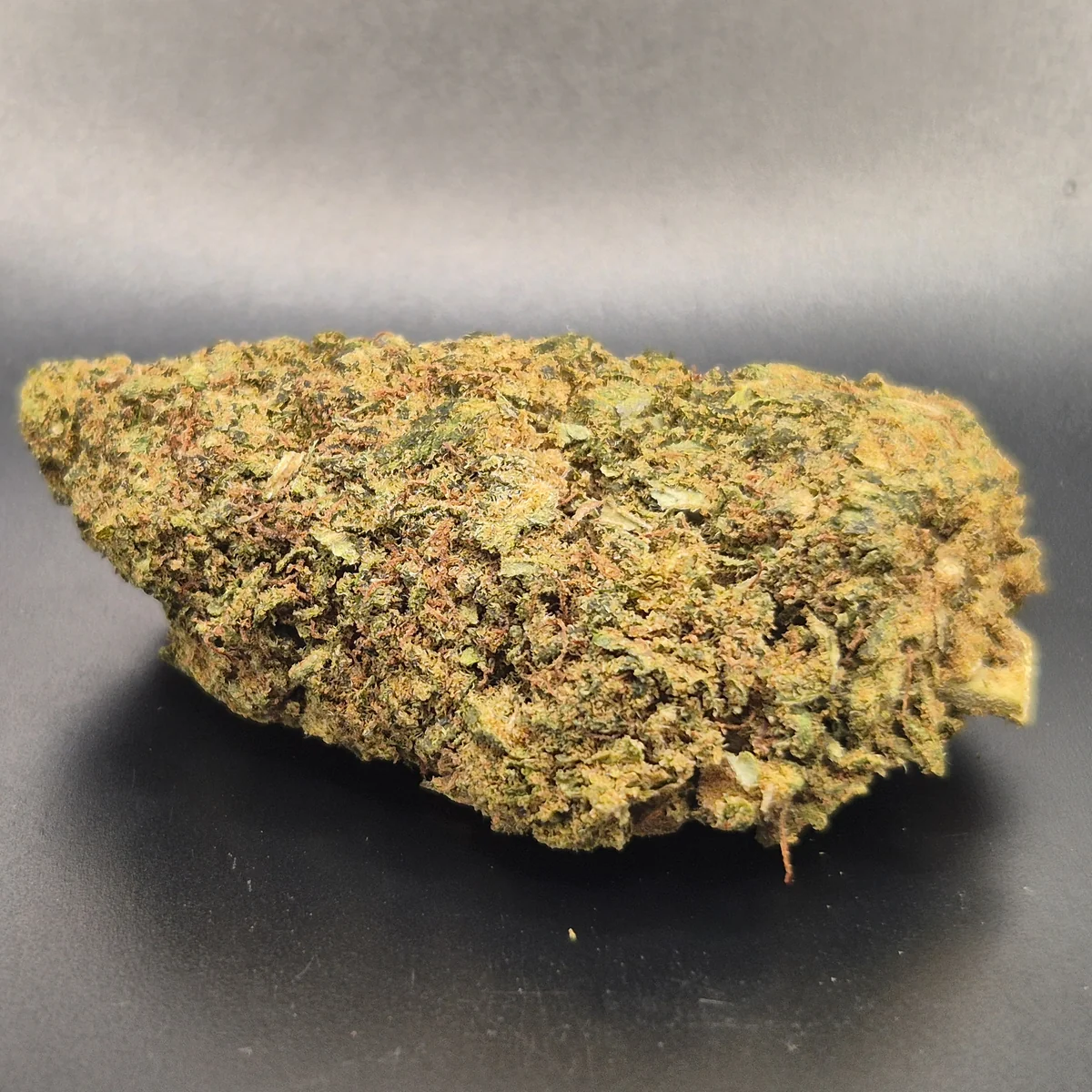
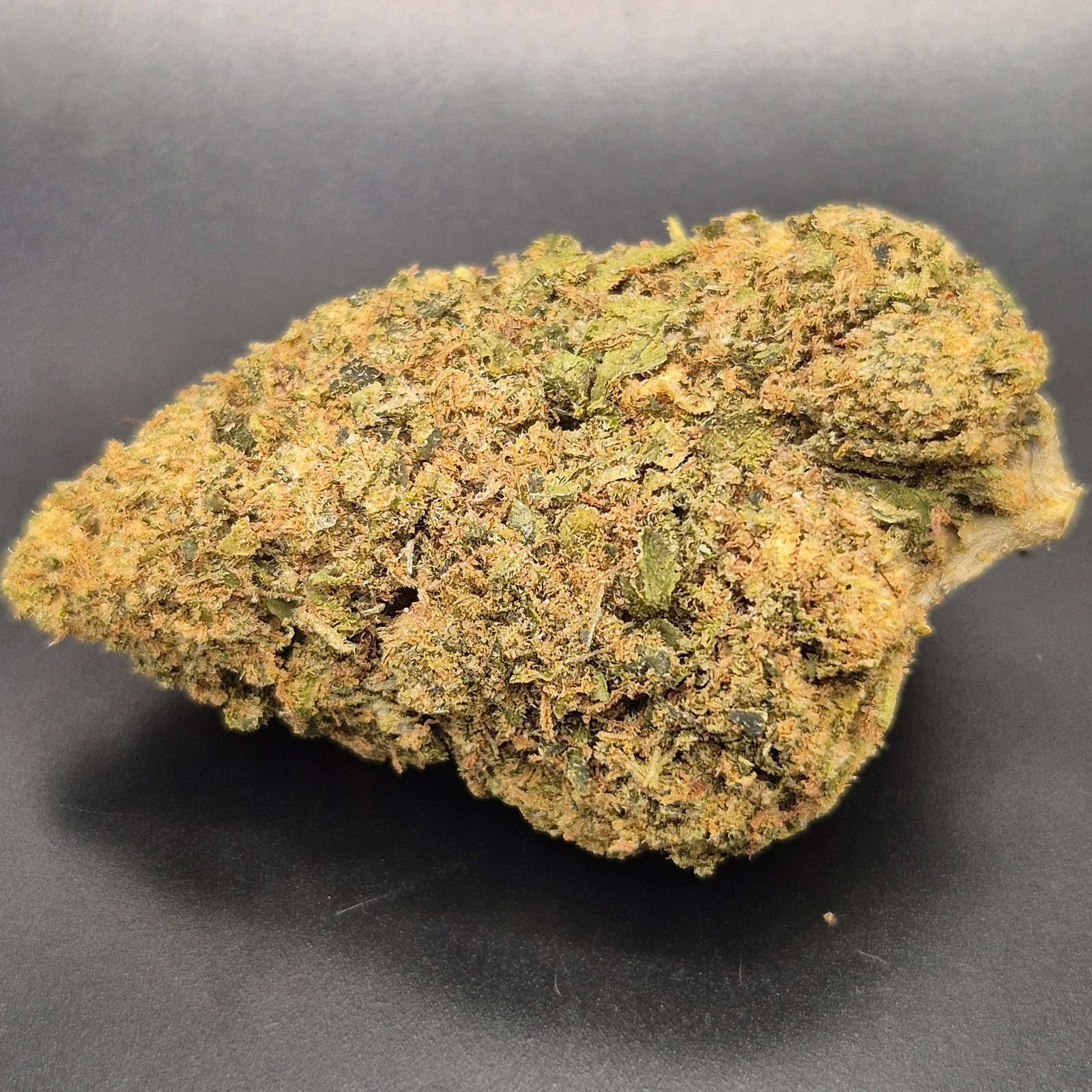
Alien Kush CBD flower, colour and structurePapaya CBD flower, bud shapeTangerine CBD flower, visible trichomesBlue Dream CBD flower, texture
Post-harvest

Drying and Curing

A bud that is perfect on harvest day can lose much of its bouquet within days if drying is rushed. Post-harvest is where quality is won or lost, whatever the growing method.

1. Pick the harvest window

Growers check trichomes under magnification: clear at first, they turn milky, then amber. The target stage depends on the cultivar and the desired profile. Indoor and greenhouse growers can harvest on the exact day; in the field, weather sometimes forces an earlier cut.

2. Dry slowly, cool and dark

Branches are hung or buds laid on racks in a dark, ventilated room without direct airflow. A University of Georgia thesis found that controlled drying at about 15 °C and 60% relative humidity preserved hemp essential oil far better than oven drying at 50 °C, which cut it roughly in half.

3. Check the end of the dry

Small stems should snap rather than bend. Over-dried flower crumbles and loses its aroma; under-dried flower stays spongy and can go mouldy once sealed.

4. Cure in sealed containers

Curing means storing buds in airtight containers for several weeks, opening them regularly at first to release leftover moisture (often called burping). Moisture evens out between the core and the surface, and the bouquet rounds off.

5. Protect the most fragile terpenes

Monoterpenes, behind citrus and pine notes, are the most volatile. The same University of Georgia work reports clear monoterpene losses during curing and storage, while sesquiterpenes hold up better. Hence the need for cool, dark, airtight storage.

Trimming

Hand-Trimmed vs Machine-Trimmed

Trimming removes the leaves sticking out of each bud. It shapes the final look, and with it the commercial value of a batch.

Hand trimming

With scissors, the trimmer follows the outline of every bud. Trichomes stay largely intact, the natural shape is respected and the finish is crisp, almost sculpted.

The catch is time: US trade outlet MJBizDaily estimates that one worker hand-trims about a pound of flower in an eight-hour shift. It remains the method of choice for top-shelf lots.

Machine trimming

Rotating drums, blades and suction handle big volumes in record time. Even when well tuned, a machine loses a few percent of material, and friction knocks off part of the trichomes.

Buds come out more uniform, sometimes shaved-looking and slightly rounded. Plenty of growers combine both: the machine does the rough work, hands finish the job.

Wet trim vs dry trim

A wet trim happens right after harvest on fresh plants: leaves are easier to cut and drying goes faster. A dry trim comes after drying: it protects trichomes better and slows the dry, which often benefits aroma.

What to look for

  • Visible leaf tips: a rushed trim.
  • Very round, uniform buds: likely machine-trimmed.
  • Crushed resin or smooth patches: too much handling.
  • Precise outline and intact trichomes: careful hand work.
Grading

Quality Grades: A, AA, AAA, Top Shelf

There is no official European standard for grading hemp flower. The trade still shares a common vocabulary, inherited from the North American market, that every buyer should be able to decode.

GradeWhat you seePositioning
Top shelfBig, dense, frosty buds, flawless trimDisplay jar, highest price
AAAVery attractive buds, heavy trichomes, clean aromaPremium
AADecent buds, slight irregularityMid-range
ALooser structure, less polished lookEntry level
SmallsSmall buds from the same batch, similar qualityStrong value
Trim and shakeTrim leaves and fragmentsRaw material

Reading a grade

Every supplier sets the bar differently: one vendor's AAA may be another's AA. The criteria that really matter stay the same: bud size and density, trichome coverage, colour, trim quality, aroma intensity and clarity, moisture, and the absence of seeds and defects. Smalls, also called popcorn buds, usually come from the lower branches and can be excellent value whenever size matters less than quality.

Trade buying

What a Professional Buyer Checks

Shops, distributors and wholesalers assess a batch methodically. Here is the checklist we recommend before any volume order.

Growing method and origin

Indoor, greenhouse or outdoor, hydro or soil: the information should be clear and match how the product looks.

Variety and compliance

The cultivar should be identified and batches lab tested. For the hemp cannabinoids themselves, see our CBD, CBG and CBN guides.

Bag appeal

Density, trichomes, colour, trim: compare with the sample and the supplier's photos.

Nose and freshness

Open the bag: the scent should be clean, with no hay or musty notes.

Moisture and texture

A bud should be springy but not spongy, and its stems should snap.

Batch consistency

A good batch matches its sample from the first gram to the last. You can request a sample before ordering in volume.

Packaging and reliability

Protective packaging, batch traceability and a supplier able to deliver the same quality over time: that is what separates a genuine CBD wholesale partner from an opportunistic reseller.

Regulation

Hemp Varieties and the EU Framework

Hemp grown in Europe follows a shared agricultural framework, topped up by national rules that differ sharply from country to country.

The Common Catalogue of varieties

To qualify for Common Agricultural Policy (CAP) support, a farmer must sow a variety listed in the EU Common Catalogue of Varieties of Agricultural Plant Species. The catalogue includes several dozen hemp varieties bred for fibre, seed or flower.

Since 2023, Regulation (EU) 2021/2115 has set the maximum THC content of these crops at 0.3%, up from 0.2% before. A common EU sampling and testing method governs field checks.

What it means for flower

This farming framework does not by itself regulate the sale of flower, which is up to each Member State. Some countries allow it under conditions, others restrict it more tightly. Before reselling, every business should check the law in its own market.

For an overview of hemp compounds, read our cannabinoids guide and our legal information.

Green Connection

Hydro and Indoor Flower for Your Shop

Join our Telegram channel to follow new arrivals, or message us on WhatsApp to check available batches, how each one was grown and our trade terms.

Read Next

Our Guides & Pages

Continue with our series on flower quality and our expert guides.

Frequently Asked Questions

FAQ Flower Cultivation

Answers to the most common questions about indoor, outdoor, greenhouse, hydro and living soil flower.

What is the difference between indoor and outdoor CBD flower?
⌄

Indoor flower is grown inside under lamps, in a fully controlled climate: buds are dense, uniform and heavily frosted, with a loud aroma. Outdoor flower grows in open fields and follows the seasons: looser structure, darker colour, earthier nose and a lower price. The gap comes down to light, climate and how much the grower can control.

What is greenhouse hemp flower?
⌄

It is hemp flower grown under cover, in a structure that lets sunlight in while keeping out rain, wind and temperature swings. Depending on the setup, the greenhouse may add supplemental lighting, shade screens or blackout curtains. Quality and price usually sit between indoor and outdoor.

What does light dep mean?
⌄

Light deprivation, or light dep, means pulling blackout covers over a greenhouse crop to give it roughly twelve hours of complete darkness. Hemp is a short-day plant, so this artificial night triggers flowering on the grower's schedule. It allows several harvests a year instead of one.

Why is indoor flower more expensive?
⌄

Because every input has to be bought: lighting, air conditioning, dehumidification, airflow, filtration and constant monitoring. Published research on indoor cultivation puts electricity at the top of the cost list. In return, buyers get consistent batches, a premium look and year-round supply.

What is hydro CBD flower?
⌄

Hydro flower comes from hydroponic cultivation: roots sit in a nutrient solution or an inert medium such as rockwool, with no soil. The grower fine-tunes pH and nutrient strength. In the Green Connection catalogue, Hydro CBD flowers are grown this way for tight quality control, richer aromatics and a premium appearance.

Can hydroponic hemp be certified organic in the EU?
⌄

No. EU organic Regulation (EU) 2018/848 requires organic crops to grow in living soil connected to the subsoil and explicitly prohibits hydroponic production. Any hemp flower sold as organic in Europe therefore comes from in-ground cultivation, outdoors or in a greenhouse.

How can you tell indoor flower by eye?
⌄

Look at density (tight, heavy buds), trichome coverage (a frosty, almost white coat), colour (light to bright green with clearly defined orange pistils) and how uniform the bud size is. Outdoor tends to look looser and darker. These clues are only indicative: genetics and drying matter as much as the growing method.

Which growing method preserves terpenes best?
⌄

Terpenes are won or lost after harvest. A slow, cool, dark dry followed by a proper cure in sealed containers protects aroma far better than fast, warm drying. Indoor and greenhouse growers can harvest at the ideal moment, but well-dried outdoor flower can still carry an outstanding bouquet.

What do A, AA, AAA and top shelf grades mean?
⌄

They are trade labels with no official standard. Top shelf and AAA cover the best-looking buds: large, dense, frosty and carefully trimmed. AA and A are sound batches with less visual impact. Smalls are smaller buds, often from the same batch, sold at a lower price for a more modest look.

Hand-trimmed or machine-trimmed: what is the difference?
⌄

Hand trimming follows the outline of each bud with scissors: it barely touches the trichomes and gives a neat, manicured finish, but it is labour intensive. Machines process large volumes fast, at the cost of a more uniform look, knocked-off trichomes and some material loss. Many growers keep hand trimming for their top batches.

Which hemp varieties are allowed in Europe?
⌄

For farming supported by the Common Agricultural Policy, the EU recognises varieties listed in the Common Catalogue of Varieties of Agricultural Plant Species, with a THC content capped at 0.3% since 2023. Member States can add their own rules, especially on selling flower, so always check the law in the destination country.

Do you supply hydro and indoor CBD flower wholesale?
⌄

Yes. The Green Connection catalogue includes Hydro CBD flowers such as MAC 1, Zushi, Northern Lights, Lemon Pop and Forbidden Fruits. Batches are lab tested and availability depends on incoming stock: message us on WhatsApp for current references and trade terms.

Keep reading

Our guides to read next

Each guide brings you closer to the right product. Browse the series or go straight to the catalogue.