🇬🇧EN▾
🇫🇷FR🇬🇧EN🇪🇸ES🇮🇹IT🇩🇪DE

Home › Guides › Resins

Reference guide · Green Connection

THE HASH AND HEMP RESIN GUIDE

Hash, short for hashish, is the sticky resin that the hemp plant stores in the heads of its glandular trichomes, separated from the rest of the flower and gathered into a powder, a ball or a pressed slab. Every family of hash (dry sift, ice water, hand-rubbed charas, pollen or pressed) reflects a different way of collecting those heads. This guide explains where resin comes from, how it is classified, what the market names really mean and how to judge a piece like a collector.

The basics

What is hemp resin?

Look closely at a female hemp flower (Cannabis sativa L.) and you will see that its bracts and small sugar leaves are covered in trichomes, microscopic outgrowths of the plant's skin. Some of them are glandular: they produce and hold a thick oil packed with cannabinoids and terpenes. That oil is what we call resin. Everything sold as hash, hashish, CBD hash, hemp hash or resin starts life inside these glands.

So every type of hash rests on one idea: collect the trichome heads and leave the rest of the plant behind. What separates one family from another is how the heads are knocked loose, sorted and brought together. Those choices shape the colour, texture and structure of the finished piece far more than the strain it came from.

Three kinds of glandular trichome

Botanists describe three forms. Bulbous trichomes are the smallest, around 10 to 15 micrometres across, and need a microscope to be seen. Capitate sessile trichomes carry a small head sitting almost flat on the surface, roughly 20 to 30 micrometres wide. Capitate stalked trichomes are the giants: the stalk can reach 200 to 300 micrometres and the round head shows up to the naked eye as a frosty sparkle. These stalked glands make most of the cannabinoids and terpenes, and their heads are what every hash maker is after.

In 2019 a team at the University of British Columbia used multiphoton microscopy to show that stalked trichome heads carry larger, more active secretory cells than sessile ones: tiny aroma factories, in short. For scale, a human hair is about 70 micrometres thick.

Head and stalk

A capitate stalked trichome looks like a mushroom. The stalk is built from skin cells and holds almost no resin. The head is topped with a disc of secretory cells that push their output into a pocket under a thin membrane called the cuticle, and that pocket swells as the flower ripens. When hash people talk about "heads", they mean these oil-filled spheres; stalks count as contamination.

The joint between head and stalk becomes more brittle when the plant is dry or very cold. Every separation method uses that weak point in one way or another, and it is the reason a good sift gives a powder rich in heads rather than a mix of plant dust.

Trichome colour and ripeness

Under a loupe, trichome heads change as flowering progresses. They start clear, turn milky, and then a share of them go amber late in the cycle. Growers watch that shift to time the harvest. In resin, ripeness carries through into the colour of the starting powder: young clear heads give a blond or cream material, riper heads a more golden one. After that, pressing, time and oxidation decide much of the final colour.

TrichomeSizeVisible withValue for hash
Bulbous10 to 15 µmMicroscopeLow
Capitate sessile20 to 30 µmStrong loupeMedium
Capitate stalkedStalk 200 to 300 µmNaked eyeHigh
Non-glandularVariesLoupeNone
Classification

The five main types of hash

Hash is classified by the general method used to separate the trichomes. Some of these methods are centuries old, others date back only a few decades, and all of them are publicly documented. The descriptions below stay deliberately broad: they will help you recognise a family, not recreate it.

Dry sift

Screens, dry plant material

Dried plant material is worked over screens with ever finer mesh. The heads, fragile and smaller than the plant debris, fall through the fabric as a powder known as kief. The more carefully it is sorted, the paler and cleaner the powder.

This is the oldest and most widespread family, found from Morocco's Rif mountains to Central Asia.

Ice water hash

Iced water, filter bags

Cold makes the heads brittle and water carries them off the plant. Being denser than leaf matter, the trichomes are then caught in a stack of bags with graded mesh, each bag holding back a different size fraction.

It goes by the names bubble hash, ice-o-lator or simply water hash, and is known for a light colour and high purity.

Hand-rubbed charas

Living plants, bare palms

Charas is the resin of the Himalayan foothills. It is gathered from plants still standing in the field by gently rubbing the flowering tops between the palms. The resin that builds up on the hands is then rolled into balls or sticks.

Dark outside, supple and intensely aromatic, it is a family of its own, tied to an old local culture.

Pollen

Sifted powder, barely bound

Despite the name, "pollen" has nothing to do with the botanical pollen of male plants. In European trade slang it means dry-sifted trichome powder that has been pressed only lightly, yellow to beige in colour and sandy to the touch.

You can spot it by the way it crumbles between your fingers.

Pressed hash

Powder compacted into a slab

Any trichome powder can be compacted into a slab, a disc or a block. Pressure brings the heads together, draws the oil to the surface and gives the piece its cohesion, its sheen and often a darker skin.

Most hash sold in slabs belongs here, whatever the original sifting method.

Why the method matters more than the strain

Two hashes from the same genetics can have nothing in common if one was dry sifted and the other washed in ice water. The method sets the ratio of heads to debris and therefore the colour, the pliability and the strength of the aroma. The strain brings the terpene bouquet; the method decides how that bouquet is concentrated and kept. That is also why the starting flower matters so much, and our hemp flower quality guide covers the criteria further upstream.

Trade vocabulary

Hash names decoded

The European market for CBD hash and hemp resin uses a rich and sometimes hazy vocabulary. Some names describe a method, others a shape, others a grade. Here is what the most common terms actually mean.

Piatella

The Italian word means "small plate". It refers to hash shaped as a flat, round disc with a smooth face, usually light in colour and pliable. The name has become shorthand on the European market for carefully worked, top-shelf resin. It describes a shape and a style rather than a method of its own.

Ice-o-lator and bubble hash

Ice-O-Lator began as the trade name of a set of filter bags for ice water separation, designed in Amsterdam by Mila Jansen, who had already created the Pollinator tumbler in the 1990s. The name became generic for water hash. "Bubble hash" comes from another brand of bags and refers to the bubbly look of very pure resin. Both terms cover the same family.

Frozen sift

Frozen sift is dry sift made from frozen plant material. The cold makes trichome heads snap off more cleanly, giving a tidier separation. Hash sold as "frozen" is usually light, sandy to creamy, and strongly scented.

Filtered, double filtered, triple filtered

A term borrowed from French-speaking markets ("filtré"). It signals hash whose powder has been run over the screens several times to strip out plant matter. The higher the number of passes claimed, the cleaner the material is meant to be, although a name alone proves nothing without a look at the piece.

Stars and full melt

In the water hash world, quality is graded on a scale of one to six stars. The top grades, five and six stars, are called full melt: resin made almost entirely of heads, which melts away completely without leaving plant residue. The middle grades are known as half melt. It is a trade convention, handy for placing a batch, but not a formal standard.

Micron grades

A micron (micrometre) is the unit used for the mesh opening of a screen or bag. Hash sold as "73u" or "90u" is the fraction caught on that mesh. The middle fractions, roughly 73 to 120 microns, are often presented as the richest in whole heads; the extreme fractions hold more small immature heads or debris.

Double zero and temple balls

"00" or double zero is a Moroccan name for the finest sieve grade, borrowed from the way flour is graded. A temple ball is a traditional Nepalese form: a sphere of charas polished by hand, with a dark, glossy surface.

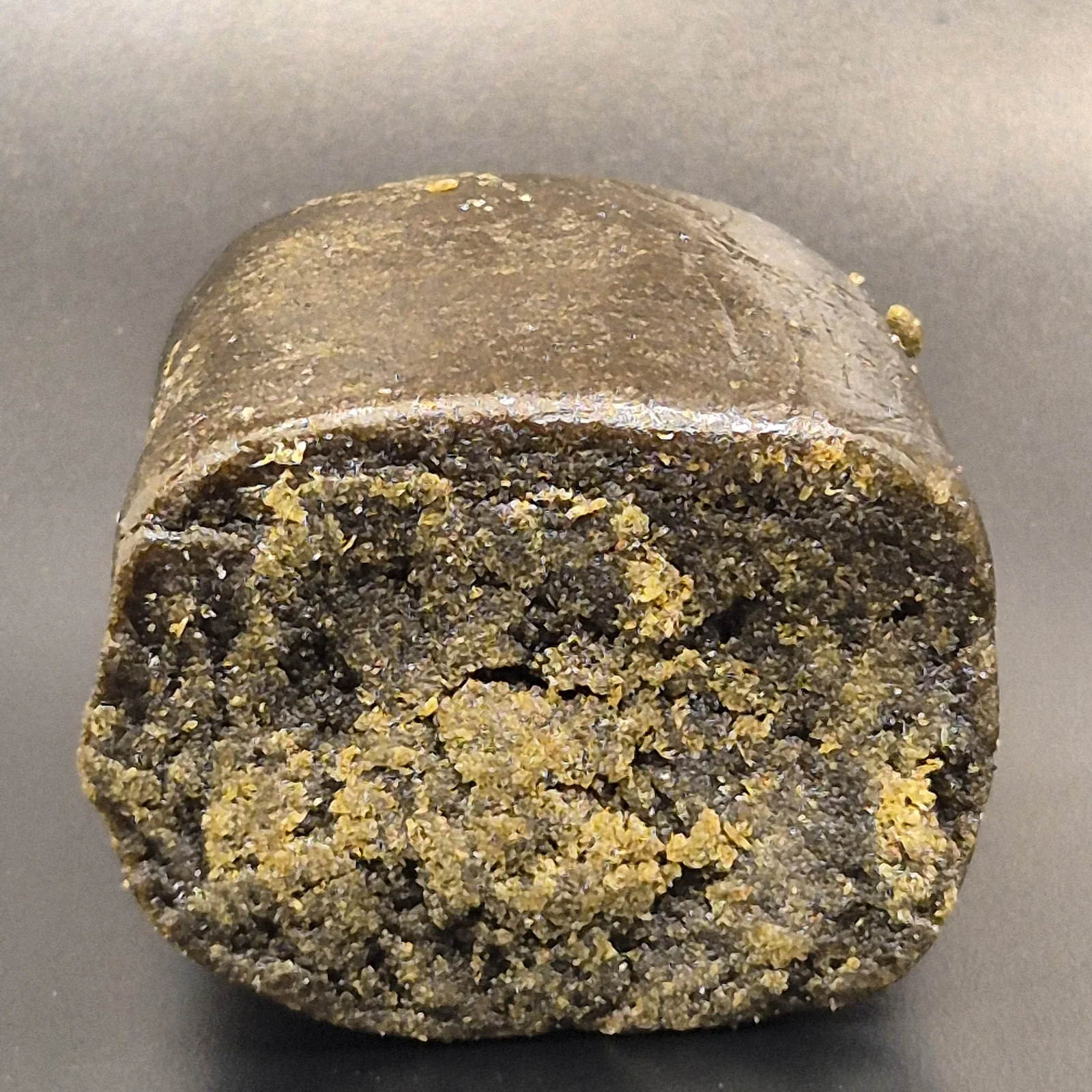
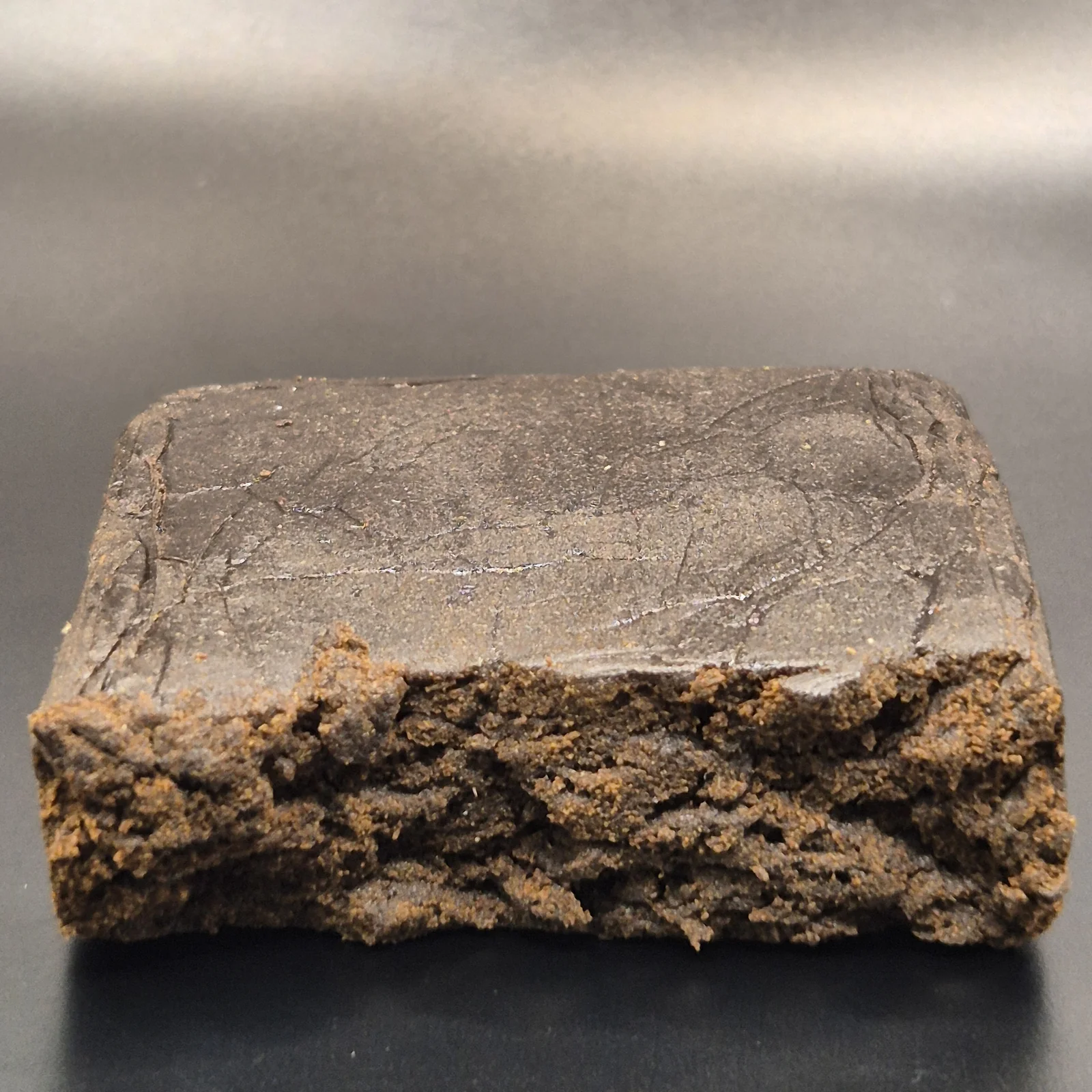
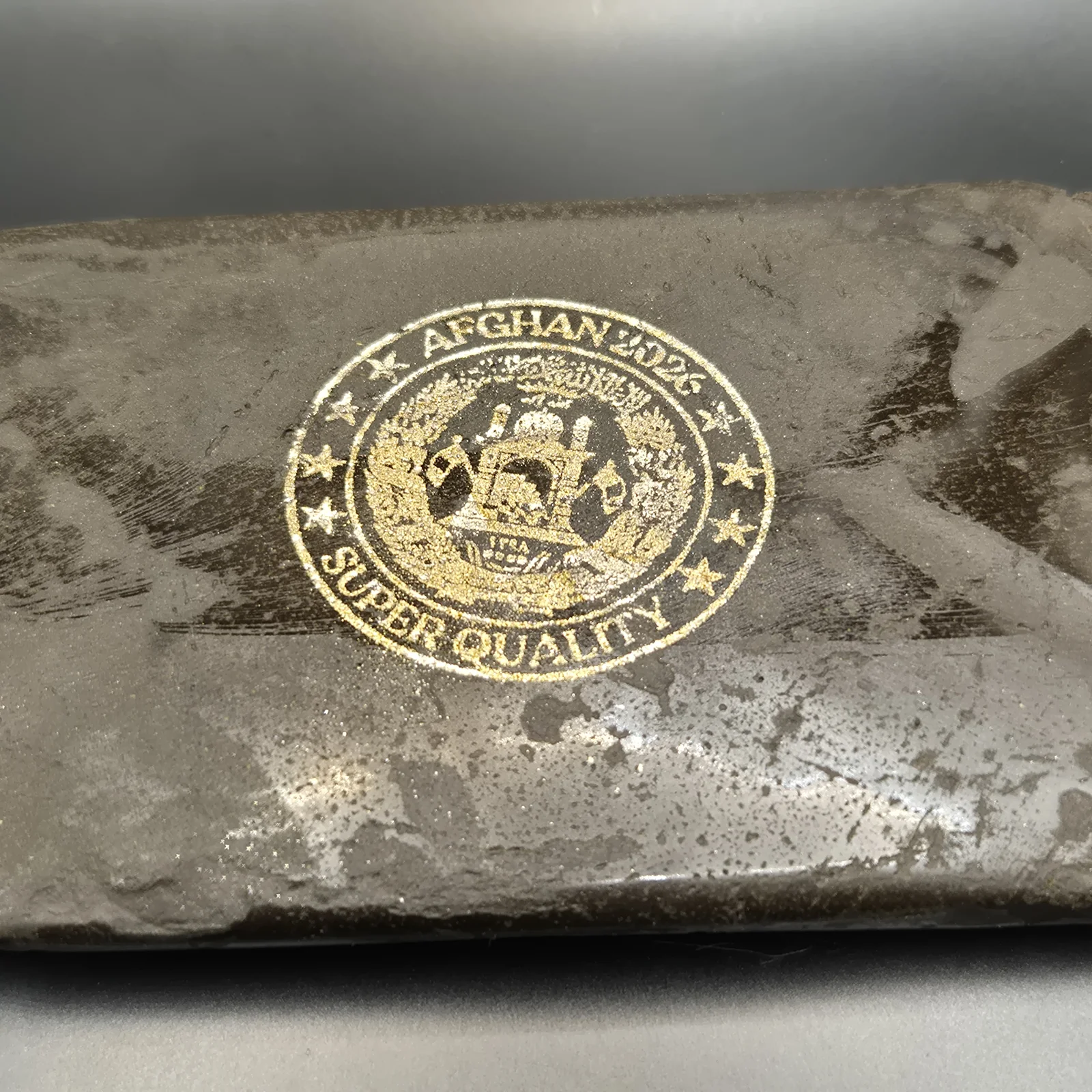
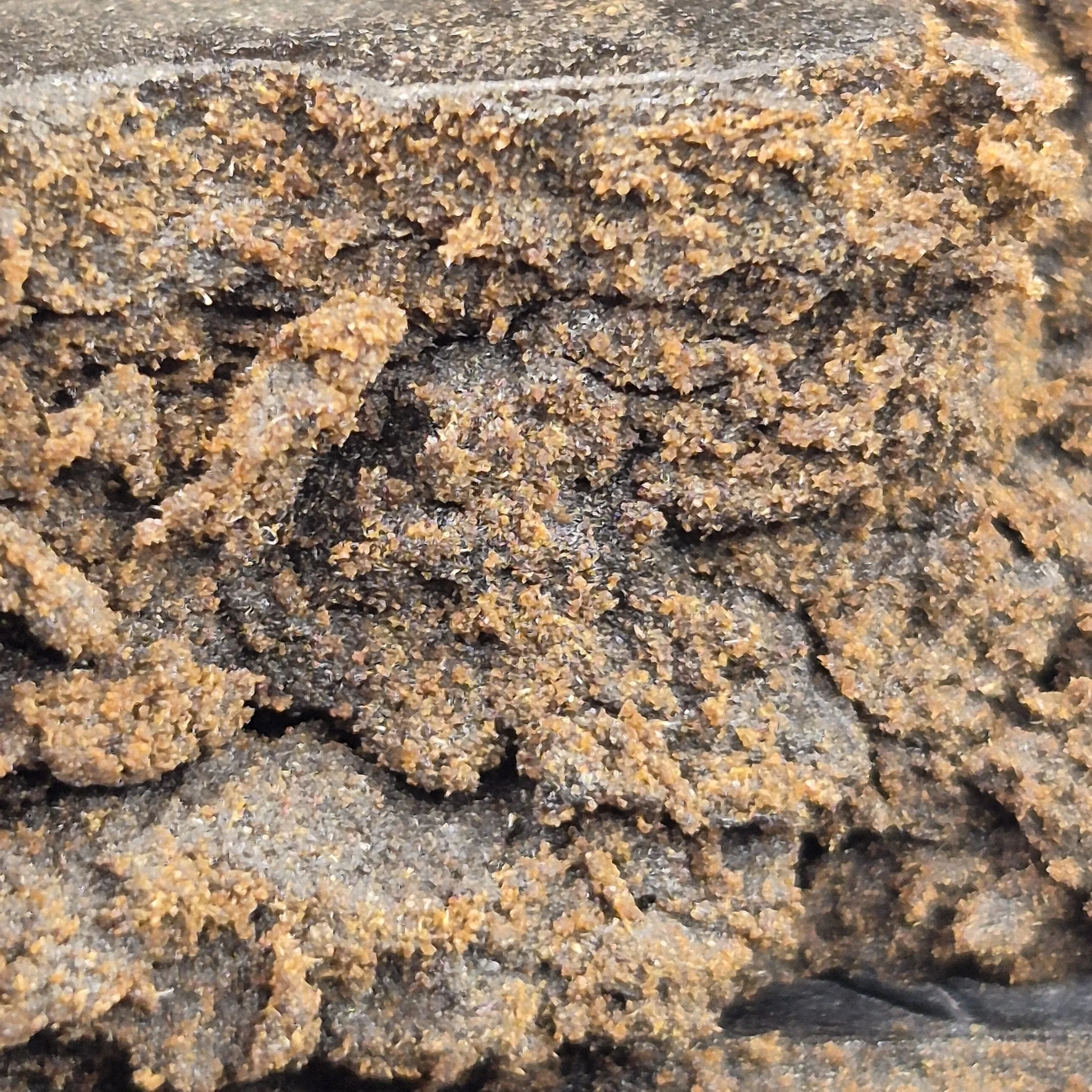
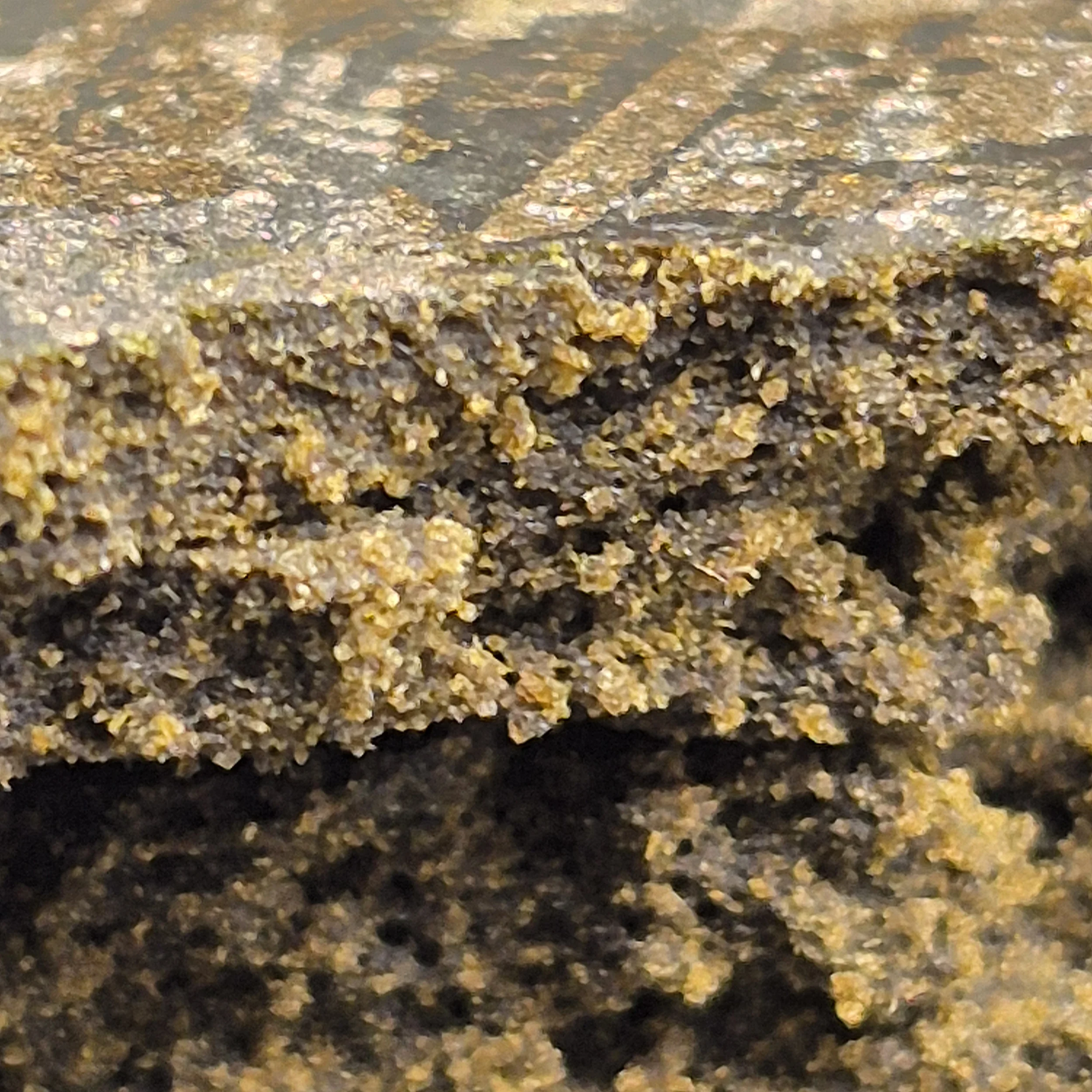
Piatella hemp hash, flat smooth discLight White Piatella resin, collector hashIce-o-lator hemp resin, ice water hashFrozen sift hash, sifted trichome powderMoroccan style Ketama CBD hashAfghan style CBD hash, dark and pliableMacro shot of hemp resin textureClose-up of a broken piece of hemp hash

The resins in our CBD hash and hemp resin catalogue use these names, with a description for each batch.

History and culture

Great regional traditions

Hashish has a long, well-documented history. The word turns up in Arabic texts of the twelfth century, and the material reached Europe in the eighteenth century, partly through Egypt during Napoleon's campaigns. Four regions shaped how the world pictures hash, and Robert Connell Clarke devoted a landmark book to them, Hashish!, published in 1998.

Morocco: the Rif and kif

In the Rif mountains around Ketama, the word kif long meant the plant itself. Large-scale hashish making only really took off there in the early 1960s, when sifting over stretched fabric spread through the valleys. Morocco went on to become one of the world's leading producers. The classic Moroccan style is a sifted resin, blond to light brown, with names like double zero for the finest sifts. The low-grade "soap bar" blocks of the 1990s long hurt the region's reputation, which has since seen a revival in quality.

The Himalayas: charas from India and Nepal

In northern India and Nepal, hand-rubbed charas belongs to an old social tradition. Valleys in Himachal Pradesh, such as Parvati, are famous for the craft. During the Second World War, Nepalese hand-rubbed charas was considered the finest on the subcontinent. Nepal closed its licensed shops and banned exports in 1973. The round, polished temple ball remains the best-known image of this tradition.

Lebanon: the Bekaa valley, red or blond

The Bekaa produced two famous styles in the twentieth century: blond Lebanese and red Lebanese. Writers on the subject put the colour difference down mainly to harvest timing and to how the plants dried in the field, with plants left standing longer giving a redder resin. Production was banned in 1926 but carried on, with a golden age in the mid-1970s and a fall in quality by the early 1980s.

Afghanistan: kneaded resin

In the north of the country, around Mazar-i-Sharif, sifted powder is worked by hand for a long time until it forms a dark paste, almost black outside, very supple and glossy where it breaks. The years 1970 to 1973 are often cited as the great era of this resin, before the 1973 ban. Since the 2000s Afghanistan has been described as one of the largest producers in the world.

What these styles left to the market

The names of these regions live on as style labels: people speak of "Moroccan style", "Afghan style" or "Lebanese style" hash to suggest a colour, a texture and an aroma profile. For European hemp resin these names describe a style, never an actual place of origin, and a serious seller says so.

A collector's eye

How to judge collector hash

Judging hash needs no lab kit. Good light, a jeweller's loupe and a little practice are enough to tell a carefully made piece from a poor one. No single sign settles it: what counts is how the signs line up.

Colour

A light shade, blond, cream or golden, often points to a high share of heads and little debris. A green tint usually gives away plant matter. A brown or black surface is not a fault in itself, since pressing, kneading and oxidation naturally darken the outside of a resin. Break or cut the piece if you can: the inside, better shielded from air, tells you more about its true colour.

Texture and pliability

Lightly pressed dry sift is sandy and crumbles. Resin rich in heads and well bound feels creamy, gives under the fingers and slowly returns to shape. Dry, hard, brittle hash may be old or short on oil. On the other hand, excessive softness that feels greasy and sticky without much scent should make you cautious.

Sheen

In pure resin the oil from the heads rises to the surface and gives a soft gleam, most visible at a fresh break. A dull, dusty surface usually means more debris or a loosely bound powder.

Aroma

Scent is the best witness to freshness. Good hash gives off a clear bouquet the moment you open the jar: citrus, spice, wood, incense or earthy notes depending on the profile. A musty, stale, waxy or chemical smell is a warning sign. Intensity fades with time because the lightest terpenes escape first.

Cleanliness under the loupe

Under magnification, fine hash still shows recognisable heads, few stalks and no fragments of leaf, hair, fibre or grit. Visible debris, white cottony spots or unusual dust are reasons to set the piece aside.

CheckGood signWarning sign
Inner colourBlond to goldenGreen, grey
TextureCreamy, pliableDry, powdery
SheenGleam at the breakDull, dusty
AromaClear, distinctiveMusty, chemical
LoupeIntact headsDebris, fibres

For a trade buyer the simplest route is to judge in person: request a hash sample before ordering in volume.

At a glance

Types of hash compared

The key reference points for each family and each market name.

TypeSeparationTextureColourOrigin
Dry sift / kiefDry screensSandyBlond to beigeMorocco, Central Asia
Frozen siftScreens, frozen plantSandy to creamyLightModern
Ice-o-latorIce waterGrainy to doughyLight to goldenNetherlands, 1990s
CharasHand-rubbedSupple, stickyDarkIndia, Nepal
PollenDry screensCrumblyYellowMorocco
PressedCompacted powderFirm to suppleVariesEverywhere
PiatellaWorked discSmooth, pliableLightItalian market
Afghan styleSifted, then kneadedVery suppleBlack skinAfghanistan
Keeping it fresh

How to store hash

Resin is more stable than flower, because the oil from the heads is gathered together and less exposed. It still has four enemies: light, which breaks down cannabinoids; heat, which softens the piece and speeds up aroma loss; oxygen, which darkens the surface; and moisture, which invites mould.

Good habits are simple: an airtight, opaque container, a cool and steady spot, few openings, and a wrap that does not stick to the material, such as baking parchment. Avoid handling it over and over, which warms the resin and adds impurities. Our full guide to storing hemp flowers and resins goes through every point, from choosing a jar to keeping humidity in check.

Measurement

Reading a hash lab report

A lab report, often called a certificate of analysis or COA, describes one batch on one date. Knowing how to read one lets you compare resins beyond appearance. The batches of resin in our catalogue are lab tested; here, in general terms, is what this kind of document contains.

Cannabinoids

They are usually measured by high-performance liquid chromatography (HPLC). Because the method does not heat the sample, it tells acidic forms such as CBDA apart from their neutral forms such as CBD. Results are given as a percentage of weight. A "total" line sometimes combines several forms through a formula, so always read the method note. For the molecules themselves, see our cannabinoid guide, the CBD guide and the THCA guide.

Terpenes

They are quantified by gas chromatography, with a mass spectrometer or a flame ionisation detector. The report lists each molecule in milligrams per gram or as a percentage. For hash, the terpene ranking hints at the expected aroma profile and at how fresh the batch is.

Contaminants

A full panel also looks for things that should not be there: pesticide residues, heavy metals (lead, cadmium, mercury, arsenic), mycotoxins such as aflatoxins and ochratoxin A, and microbial contamination (yeasts, moulds, certain bacteria). For solvent-based extracts, residual solvents are checked too. Moisture content or water activity sometimes completes the picture.

What to check on the report

A trustworthy report names the laboratory, ideally accredited to ISO/IEC 17025, and shows a batch number, the test date, the methods used and the limits of quantification. ND means "not detected", and "< LOQ" means present below the limit of quantification. A report with no batch number or date tells you nothing useful about the piece in front of you.

Vocabulary

Hash glossary

The key words to know. The complete list lives in our hemp and CBD glossary.

TermShort definition
TrichomeResin gland on the flower
HeadRound, resin-filled top
KiefSifted trichome powder
Dry siftHash made with dry screens
Ice water hashHash separated in cold water
CharasHand-rubbed resin
PollenLightly pressed sifted powder
PiatellaPremium flat disc
Full melt5 to 6 star grade
MicronMesh opening of a screen
Temple ballPolished charas sphere
COABatch certificate of analysis
Framework

Our position

For retailers

Hemp hash for professionals

Green Connection

Hand-picked resins for your shop

CBD shops, distributors and resellers: browse the catalogue, see our wholesale CBD hash terms in Europe and ask for a sample to judge texture and aroma first-hand. To place our flowers, read the guide to indoor, outdoor and greenhouse hemp.

Further reading

Guides and pages

Keep exploring the Green Connection guide series.

Frequently asked questions

Hash FAQ

Short answers to the questions people ask most about hemp hash and resin.

What is hash, or hemp resin?
⌄

Hash is the oily material made in the heads of the glandular trichomes on female hemp flowers, separated from the rest of the plant and gathered into a powder, a ball or a pressed slab.

What is the difference between hash, hashish and CBD hash?
⌄

Hash is simply short for hashish: both mean cannabis resin. CBD hash or hemp hash refers to resin made from hemp with a low Delta-9 THC content.

What are the main types of hash?
⌄

There are five, based on how the trichomes are separated: dry sift, ice water hash (bubble hash), hand-rubbed charas, pollen and pressed hash.

What does piatella mean?
⌄

Piatella is Italian for "small plate". It names hash shaped as a flat, smooth disc, usually light in colour and positioned at the top of the range. It describes a shape and a style.

Are ice-o-lator and bubble hash the same thing?
⌄

Yes. Both names come from brands of filter bags and refer to one family: ice water hash, valued for its purity and its often light colour.

What do the stars on hash mean?
⌄

They are a trade scale of one to six stars used for water hash. Five and six stars mean full melt, resin made almost entirely of trichome heads. The scale is not a formal standard.

Is hash pollen real pollen?
⌄

No. In trade slang, pollen is sifted trichome powder pressed only lightly, yellow and crumbly. It has nothing to do with the botanical pollen of male plants.

How can you tell good quality hash?
⌄

Look for several signs that agree: a light to golden inner colour, a pliable texture, a soft gleam at the break, a clean aroma and no debris under a loupe. A musty smell or a green tint are warning signs.

Why is hash darker on the outside?
⌄

Because pressing, kneading and contact with air oxidise the surface. The inside, better protected, shows the real colour of the material.

How should hemp hash be stored?
⌄

Away from light, heat, air and moisture: an airtight, opaque container in a cool place, opened as little as possible. Our guide to storing flowers and resins covers every detail.

What does a hash lab report contain?
⌄

Cannabinoids measured by HPLC, terpenes measured by gas chromatography, and screening for contaminants such as pesticides, heavy metals, mycotoxins and microbes, along with a batch number and a date.

Are Green Connection resins lab tested?
⌄

Yes, catalogue batches are lab tested. The resins are sold as collector items not intended for consumption, and trade buyers can ask for a sample on WhatsApp.